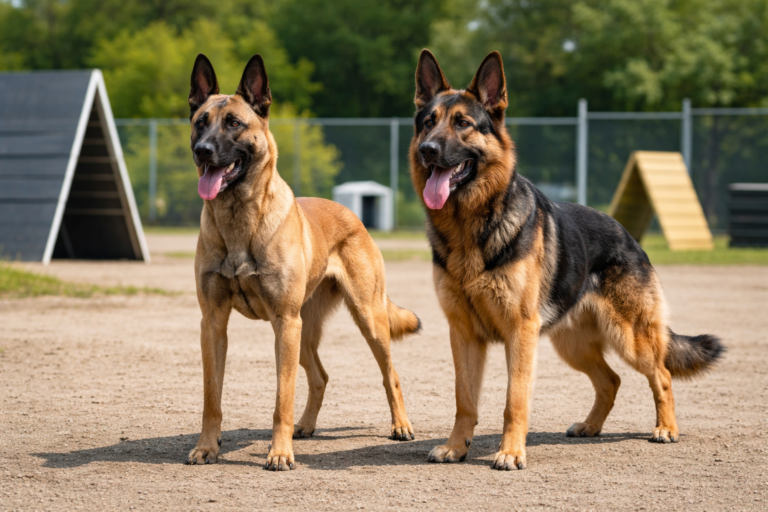
When comparing Belgian Malinois vs German Shepherd, both breeds rank among the top choices for protection work, but they serve different needs. The Belgian Malinois brings intense drive and athletic ability, while the German Shepherd offers balanced temperament and adaptability across various roles.
If you’re trying to decide between these two powerful breeds, you’re making a choice that will shape your security setup and daily life for years. Both dogs have proven themselves in military, police, and personal protection work, but their differences matter more than you might think.
This guide breaks down everything from energy levels and training needs to protection instincts and family compatibility. We’ll help you understand which breed matches your lifestyle, security requirements, and experience level.
Looking for a professionally trained protection companion? Explore our custom protection dogs tailored to your specific security needs.
Understanding Both Breeds
Before diving into comparisons, it helps to know where these breeds come from and what they were originally bred to do. Their history explains a lot about how they behave today.
Belgian Malinois Overview
The Belgian Malinois hails from Belgium, where it was developed as a herding dog in the late 1800s. Farmers needed a tough, athletic dog that could work all day in harsh weather.
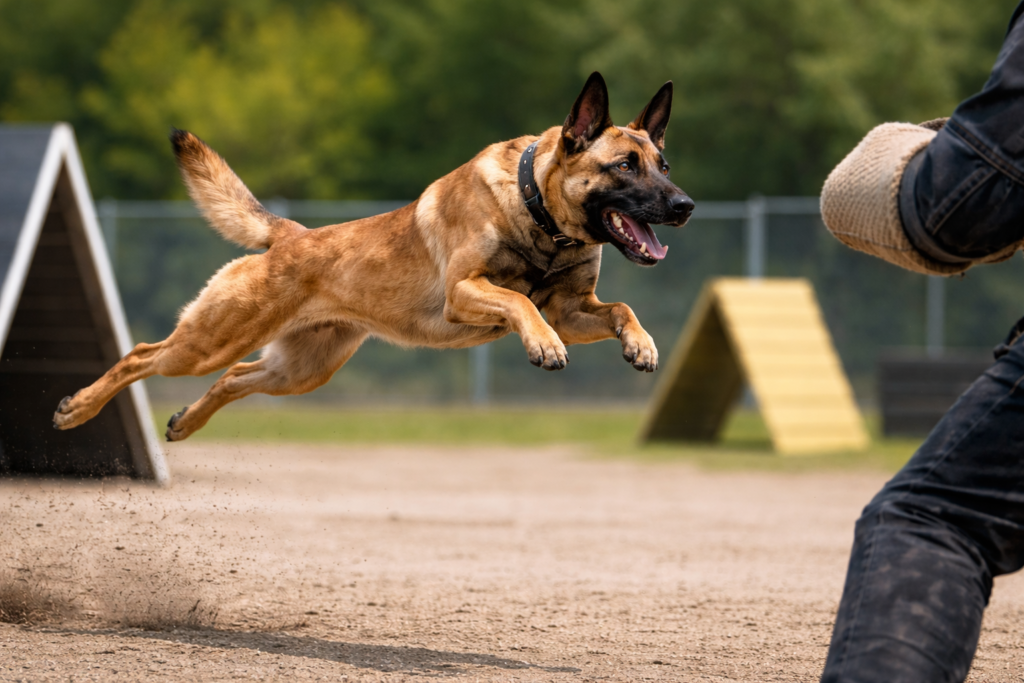
This breed stands 22 to 26 inches tall and typically weighs between 40 to 80 pounds. They have a short, fawn-colored coat with a black mask, and their lean, muscular build gives them incredible speed and agility.
Malinois are known for their intense work drive and focus. When they lock onto a task, they won’t quit until it’s done. This makes them exceptional for specialized protection work, detection tasks, and high-level obedience competitions.
Their energy level is off the charts. These dogs need several hours of physical and mental exercise daily, not just a walk around the block. Without proper outlets, they can become destructive or develop behavioral issues.
The breed gained massive popularity after military working dogs, particularly Navy SEALs, started using them for special operations. Their smaller size compared to German Shepherds makes them easier to transport and handle in tight spaces during missions.
German Shepherd Overview
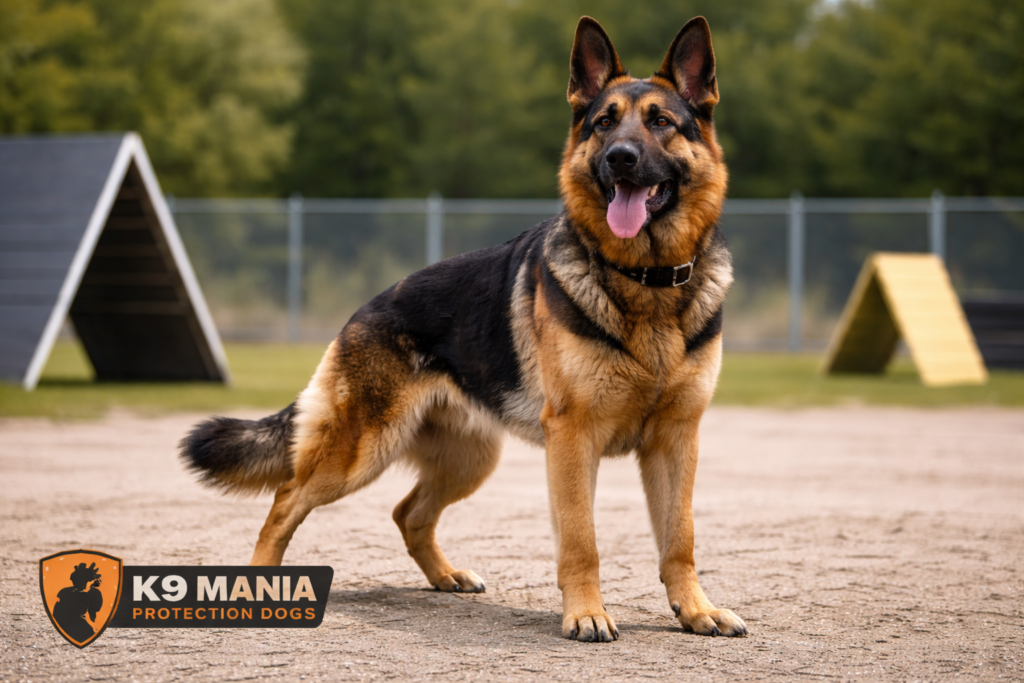
German Shepherds originated in Germany in the late 1800s, bred by Captain Max von Stephanitz who wanted to create the perfect herding dog. He succeeded in producing a versatile working breed that excels at almost any job.

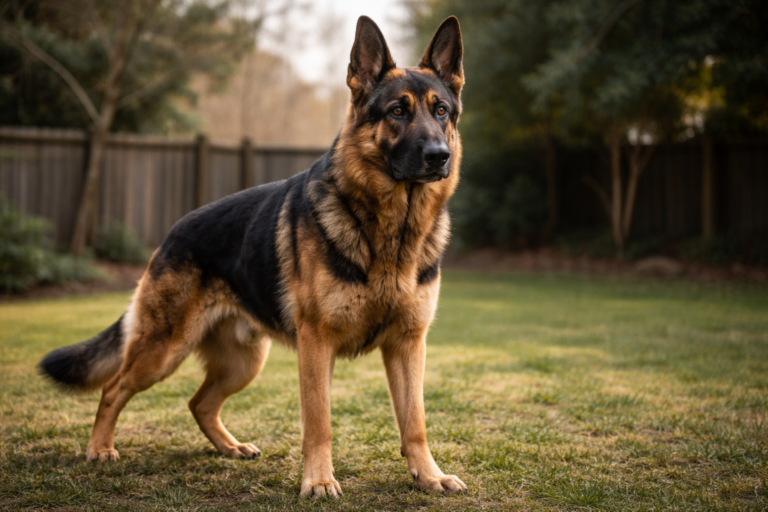
These dogs stand 22 to 26 inches tall and weigh between 50 to 90 pounds. They have a medium-length double coat that comes in various colors, though black and tan is most common. Their strong, substantial build gives them both power and endurance.
German Shepherds are famous for their intelligence and trainability. They consistently rank as one of the smartest dog breeds and can learn complex commands quickly. This adaptability made them the go-to choice for police departments worldwide for decades.
Their temperament strikes a balance between protective instinct and family-friendly behavior. A well-bred German Shepherd can switch from guarding mode to gentle companion depending on the situation. This versatility makes them excellent personal family protection dogs.
The breed’s popularity has led to some challenges. Poor breeding practices have created lines with health issues or unstable temperaments. When choosing a German Shepherd, working lines from reputable breeders offer far better results than show lines or backyard breeders.
Belgian Malinois vs German Shepherd: Key Differences
While both breeds excel in protection work, their differences can make or break your experience as an owner. Here’s how they compare across the most important factors:
| Feature | Belgian Malinois | German Shepherd |
| Energy Level | Extremely high, needs 3+ hours of intense activity daily | High, needs 1-2 hours of exercise daily |
| Size | 40-80 lbs, lean and agile | 50-90 lbs, more substantial build |
| Coat Maintenance | Low, short coat, minimal grooming | Moderate to high, sheds heavily year-round |
| Protection Drive | Intense and laser-focused, can be over-the-top without training | Strong but more measured, easier to control |
| Family Compatibility | Best with active adults or older children, too intense for young kids | Excellent with families, patient with children when properly socialized |
| Training Difficulty | Requires experienced handler, extremely sensitive to corrections | Easier for novice owners, forgiving of training mistakes |
| Health Issues | Generally healthy, fewer genetic problems | Hip dysplasia, elbow dysplasia, degenerative myelopathy more common |
| Lifespan | 12-14 years | 9-13 years |
Physical Differences That Matter
The Belgian Malinois has a lighter, more athletic frame that gives them superior speed and jumping ability. They can clear 6-foot fences with ease and outrun most other dogs. This athleticism makes them ideal for properties with challenging terrain or situations requiring quick response.
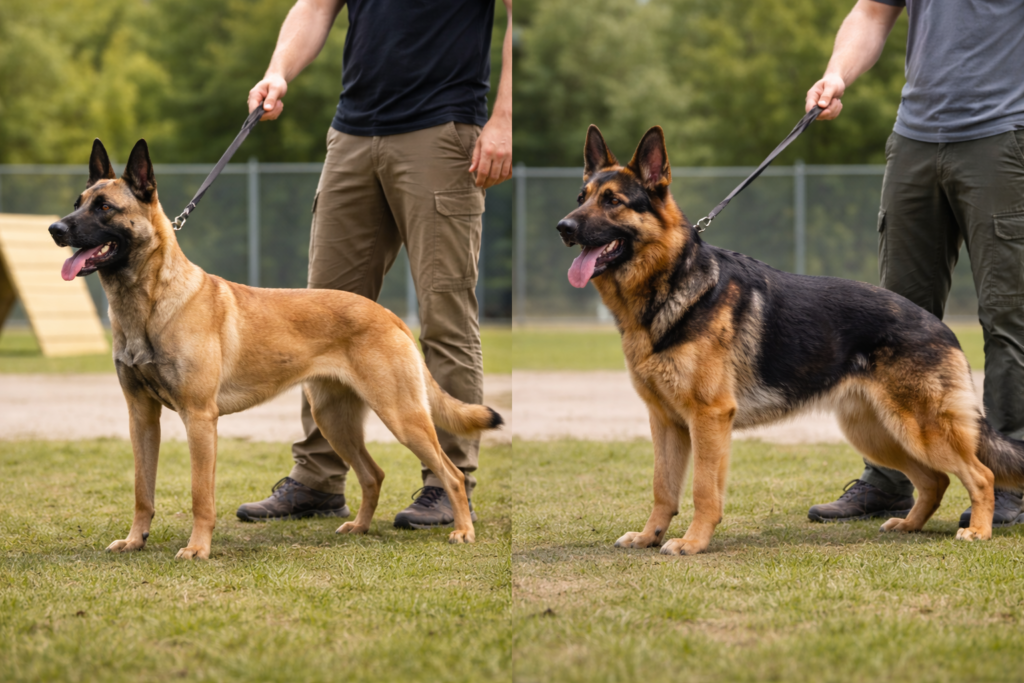
German Shepherds have a heavier, more powerful build. They rely more on strength than speed, which can be advantageous when dealing with larger threats. Their size alone is often enough to deter potential intruders.
Coat differences affect maintenance time significantly. Malinois shed moderately and need only weekly brushing. German Shepherds shed constantly and blow their coat twice a year, requiring daily brushing during shedding season. If you hate vacuuming dog hair, this matters more than you think.
Temperament in Daily Life
Malinois live at 100 mph mentally and physically. They want to work, play, train, and work some more. They form incredibly strong bonds with their handlers but can be aloof or suspicious with strangers. This intensity makes them less suitable for homes with frequent visitors or unpredictable schedules.
German Shepherds have an “off switch” that Malinois often lack. After exercise and training, a German Shepherd can relax and hang out with the family. They’re more social and typically accept new people once properly introduced. This makes them better for households that want both protection and a companion.
The Belgian Malinois protection dog excels when you need maximum drive and intensity. The German Shepherd protection dog shines when you need balanced protection that integrates smoothly into family life.
Training and Intelligence Comparison
Both breeds rank among the smartest dogs, but they learn and respond to training differently. Understanding these differences helps you set realistic expectations and training plans.
| Training Aspect | Belgian Malinois | German Shepherd |
| Learning Speed | Extremely fast, often masters commands in 2-5 repetitions | Fast, typically needs 5-15 repetitions |
| Training Sensitivity | Very sensitive, harsh corrections damage trust | Moderate sensitivity, more forgiving |
| Focus Duration | Can maintain intense focus for extended periods | Good focus but needs more variety |
| Correction Response | May shut down or become defensive with unfair corrections | Bounces back from mistakes more easily |
| Best Training Style | Positive reinforcement with clear structure, reward-based | Works well with various methods, versatile |
| Handler Experience Needed | Requires experienced trainer, not beginner-friendly | Suitable for dedicated novices with guidance |
Training the Belgian Malinois
Malinois are thinking dogs that need to understand the “why” behind commands. They don’t respond well to mindless repetition or heavy-handed corrections. Instead, they thrive on problem-solving exercises and training that feels like a game.
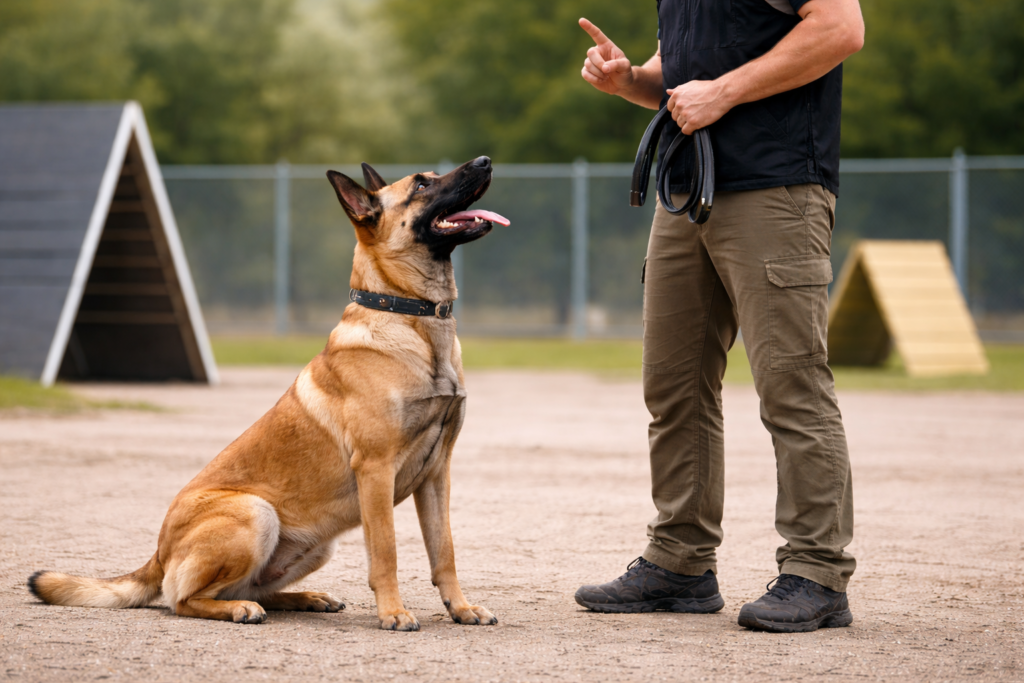
Start training early because their intensity develops quickly. A bored or under-stimulated Malinois puppy will find destructive outlets for that energy. Consistent socialization during the first year prevents over-reactivity and aggression toward unfamiliar people or dogs.
These dogs need a job. Protection training, agility, tracking, or competitive obedience give them the mental stimulation they crave. Without structured work, they may create their own jobs like patrolling the fence line obsessively or becoming overly alert to every sound.
Training the German Shepherd
German Shepherds are eager to please and naturally want to work with their handlers. This makes them more forgiving during training and easier for less experienced owners to handle successfully.
They respond well to structured routines and clear leadership. Consistency matters more than perfection. If you set rules and stick to them, your German Shepherd will follow along reliably.
Socialization is equally important for German Shepherds. Without it, their protective instincts can turn into fear or aggression. Expose them to various people, places, and situations during puppyhood to build confidence and stability.
German Shepherds excel at learning complex task sequences. This is why they dominate fields like search and rescue, detection work, and assistance dog roles. Their versatility and adaptability make them excellent elite protection dogs that can handle multiple scenarios.
Which Breed is Right for You?
Choosing between these breeds isn’t about which is “better” overall. It’s about which fits your lifestyle, experience level, and specific needs.
Choose a Belgian Malinois If:
You want maximum protection drive and intensity in a compact, athletic package. Malinois bring unmatched focus and determination to protection work.
You’re an experienced dog handler comfortable with a high-energy, demanding breed. These dogs need someone who understands working dog behavior and can provide firm but fair leadership.
You have time for 2-3 hours of intense physical exercise and mental stimulation daily. This isn’t a dog for someone with a busy schedule or limited time for training and exercise.
Your property or security needs require a dog with exceptional agility and speed. Malinois can navigate challenging terrain and respond faster than heavier breeds.
You don’t have young children or want a dog primarily for family companionship. While Malinois can live with families, they’re better suited as working partners than family pets.
Choose a German Shepherd If:
You want a versatile protection dog that integrates well into family life. German Shepherds balance protective instincts with sociability and patience around children.
You’re a first-time working dog owner willing to invest in proper training. German Shepherds are more forgiving of handler mistakes while learning.
You need a dog that can handle various roles beyond protection. German Shepherds adapt well to therapy work, service tasks, or simply being a loyal companion when not on duty.
You want a dog with an “off switch” that can relax at home. German Shepherds are active but can settle down and hang out with the family.
Your climate or living situation makes heavy shedding manageable. If you can handle regular grooming and vacuuming, the German Shepherd’s coat isn’t a dealbreaker.
Understanding the reasons dogs are good protection helps clarify what you actually need from your protection dog, which makes choosing between these breeds easier.
Making Your Decision Between These Elite Breeds
Both the Belgian Malinois and German Shepherd represent the pinnacle of protection dog breeds, but your choice should align with your lifestyle reality, not just your security needs.
The Belgian Malinois vs German Shepherd debate often comes down to intensity versus versatility. Malinois offer unmatched drive and focus for serious protection work, while German Shepherds provide reliable protection packaged with family-friendly adaptability.
Consider your experience level honestly. Many people overestimate their ability to handle a Malinois and end up overwhelmed. German Shepherds give you room to learn and grow as a handler without the same risk of creating behavioral problems.
Think long-term about your life situation. If you plan to have children, travel frequently, or anticipate major lifestyle changes, the German Shepherd’s adaptability becomes a major advantage. If your security needs are intense and specific, the Malinois delivers uncompromising performance.
Don’t rush this decision. Both breeds require significant commitment, and choosing the wrong one creates problems for you and the dog. Visit reputable breeders, meet adult dogs of both breeds, and honestly assess whether you can meet their needs for the next decade.
At K9 Mania Protection Dogs, we specialize in professionally trained Belgian Malinois and German Shepherds for personal and family protection. With decades of experience training and placing elite protection dogs, we help clients choose the right breed for their specific situation and provide dogs with rock-solid temperaments and proven protection skills. Our dogs undergo rigorous training to ensure they’re reliable, obedient, and effective in real-world scenarios. Whether you need a high-drive Malinois or a versatile German Shepherd, we deliver protection dogs that exceed expectations while integrating smoothly into your life.
Frequently Asked Questions: Belgian Malinois vs German Shepherd
Which dog is better, German Shepherd or Belgian Malinois?
Neither breed is objectively better. German Shepherds are better for families, first-time working dog owners, and situations requiring versatility beyond pure protection work. Belgian Malinois are better for experienced handlers who need maximum protection drive, have time for intense daily training and exercise, and prioritize performance over companionship. The best choice depends on your experience level, lifestyle, and specific protection needs rather than which breed has superior qualities overall.
What is the disadvantage of Belgian Malinois?
The biggest disadvantage of Belgian Malinois is their extreme energy level and intensity, which most owners underestimate. These dogs need 2-3 hours of intense physical and mental exercise daily, not just walks. Without proper outlets, they become destructive, anxious, or develop behavioral problems. They’re also too intense for homes with young children and require experienced handlers who understand working dog behavior. Their strong prey drive and reactivity to stimuli make them challenging in urban environments or homes with frequent visitors.
What is the rage gene in the Malinois?
The “rage gene” isn’t a specific genetic trait but refers to sudden, explosive aggression seen in some Malinois lines, particularly those bred without regard for temperament. This appears as unpredictable aggression triggered by minimal stimuli, making the dog dangerous and unreliable. It’s caused by poor breeding practices that prioritize drive and intensity without balancing temperament stability. Reputable breeders screen for temperament issues across multiple generations, making rage syndrome extremely rare in well-bred Malinois. This is why choosing a Malinois from working lines with proven, stable temperaments is absolutely critical.
What is the #1 most protective dog?
There’s no single “most protective” dog because protection ability depends on training, temperament, and specific scenarios. However, Belgian Malinois, German Shepherds, Doberman Pinschers, and Rottweilers consistently rank among the top protection breeds. Belgian Malinois offer the most intense natural protection drive and athleticism. German Shepherds provide the best balance of protection ability and family compatibility. The “best” protection dog for you depends on your experience level, lifestyle, and whether you need a dedicated protection animal or a dual-purpose family guardian.
Why do cops use Belgian Malinois instead of German Shepherds?
Police departments increasingly choose Belgian Malinois over German Shepherds because of their smaller size, lighter weight, and superior agility. Malinois are easier to lift into vehicles, handle in tight spaces, and can scale obstacles German Shepherds cannot. They also have fewer health problems, longer working careers, and more intense drive for apprehension work. However, many police departments still use German Shepherds successfully, and the choice often depends on the specific role, handler preference, and breeding quality available in each area.
Why do navy seals use Belgian Malinois?
Navy SEALs prefer Belgian Malinois because their smaller size makes them easier to transport via helicopter, parachute, or boat during special operations. Their lighter weight (typically 60 pounds versus 80+ for German Shepherds) reduces logistical challenges without sacrificing capability. Malinois also have incredible focus and drive that doesn’t diminish in high-stress combat situations. Their agility allows them to navigate difficult terrain and confined spaces during raids. Additionally, their shorter coat makes them better suited for hot climates where many special operations occur. Despite this preference, some special operations units still successfully deploy German Shepherds in roles where their specific traits provide advantages.