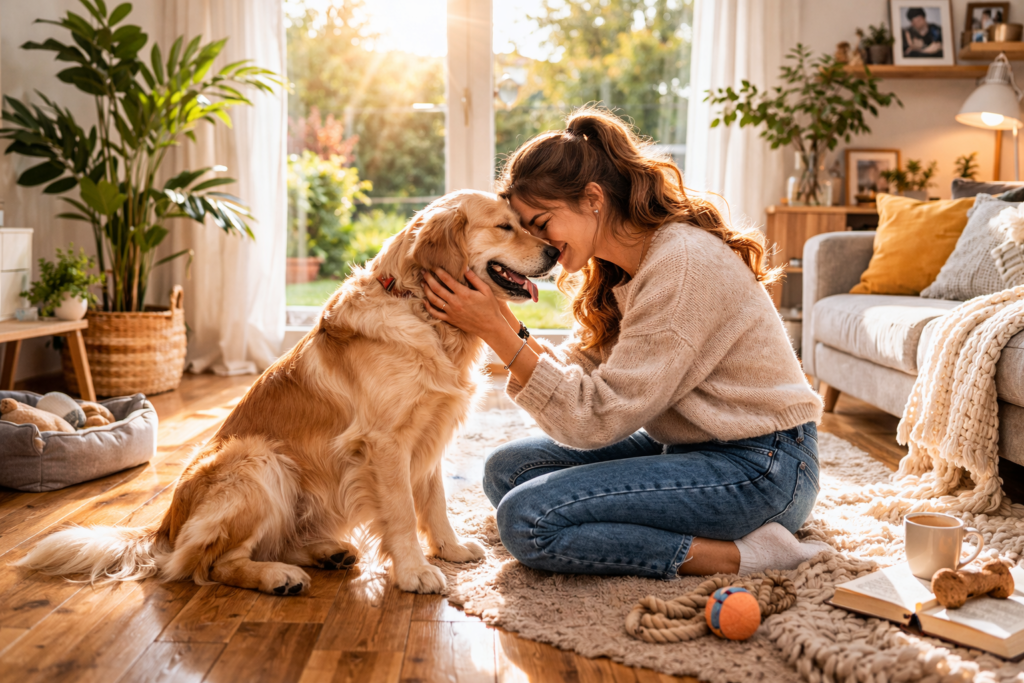
The best guard dogs for women combine loyalty, trainability, and protective instincts with a manageable size and temperament. Breeds like German Shepherds, Dobermans, and Belgian Malinois excel as guard dogs because they bond strongly with their owners, respond well to commands, and have the natural drive to protect without being overly aggressive.
Finding the right guard dog means choosing a breed that fits your lifestyle, living space, and security needs. Whether you live alone, want a running partner who doubles as a protector, or need a loyal companion for your family, the right breed makes all the difference. Keep reading to discover which breeds offer the perfect balance of protection, trainability, and companionship for women seeking both safety and a devoted partner.
Ready to find your perfect protector? Browse our custom protection dogs and discover professionally trained companions.
What Makes a Dog Breed Ideal for Women’s Protection
Not all guard dogs fit every owner’s needs. The best guard dogs for women offer specific traits that make them both effective protectors and manageable companions.
Size and Strength Balance
The right guard dog has enough size to deter threats but remains easy to handle in everyday situations. Breeds between 50 and 90 pounds strike this balance well.
A dog that’s too large can be hard to control on walks or in tight spaces. A dog that’s too small might lack the presence needed to discourage intruders.
Medium to large breeds give you the protection you need without overwhelming physical strength that’s hard to manage. German Shepherds typically weigh 50 to 90 pounds, making them powerful yet controllable. Dobermans fall in a similar range at 60 to 100 pounds and have an athletic build that’s easier to handle than heavier mastiff breeds.
Your dog should be strong enough to protect but light enough that you can guide them confidently in any situation.
Trainability and Intelligence
Smart, trainable dogs learn protection commands quickly and respond reliably when it matters. High intelligence means your dog can distinguish between normal situations and real threats.
Breeds with strong working backgrounds tend to be the most trainable. German Shepherds, Belgian Malinois, and Dobermans rank among the most intelligent breeds and excel at learning protection dog commands.
A trainable dog follows your lead, making you feel confident rather than worried about unpredictable behavior. These breeds respond well to positive reinforcement and enjoy having a job to do.
Look for breeds bred for police, military, or protection work. Their genetics make training more straightforward and their responses more reliable.
Temperament and Loyalty
The best protection dogs bond deeply with their owners and stay calm in everyday situations. They should be friendly with family but naturally wary of strangers.
A protective dog watches for threats without being aggressive toward everyone they meet. Breeds like German Shepherds and Dobermans are known for forming strong attachments to their owners while maintaining a protective instinct.
Your guard dog should be confident, not fearful or overly aggressive. Fearful dogs can become unpredictable, while overly aggressive dogs create liability issues.
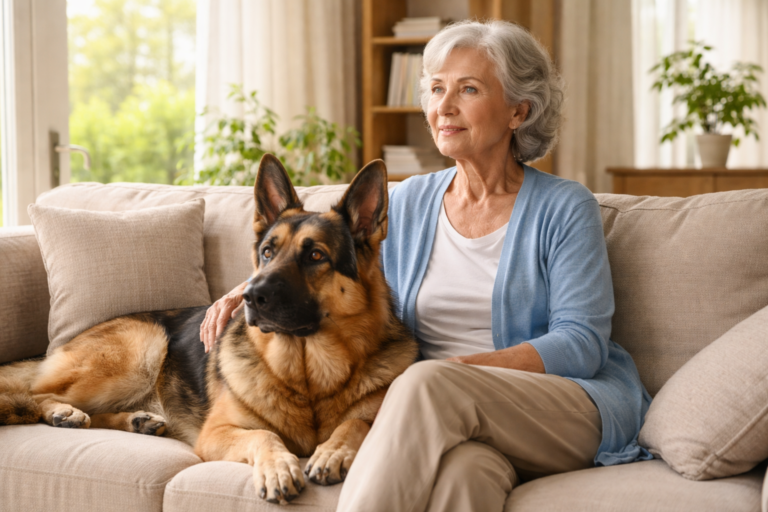
Loyalty means your dog will defend you when needed but remains a loving companion the rest of the time. This balance is what makes certain breeds ideal for women who want both protection and companionship.
Top Guard Dog Breeds for Women
Certain breeds consistently stand out as the best guard dogs for women because they combine protective instincts with trainability and manageable size. Here’s a detailed look at the top choices.
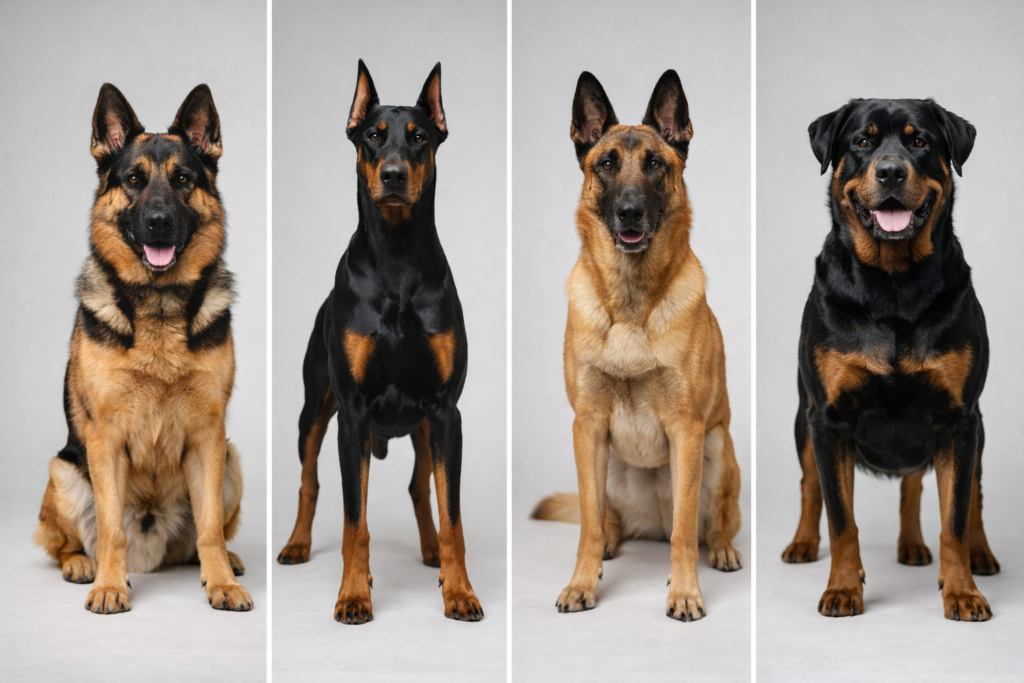
German Shepherd
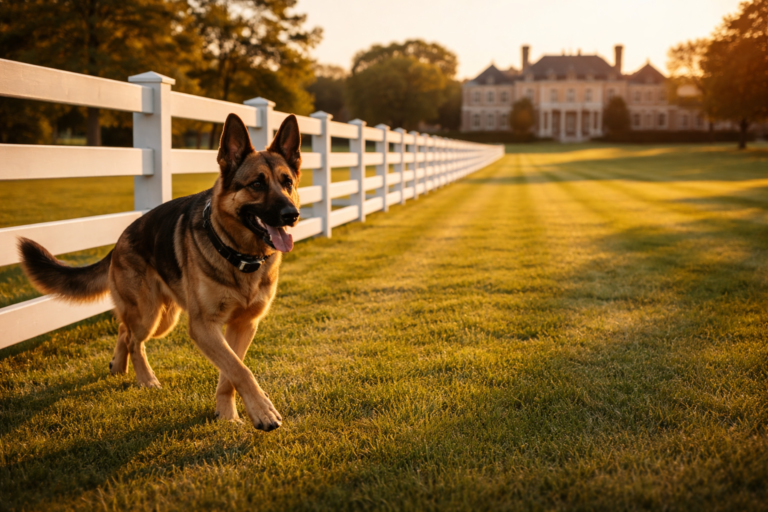
German Shepherds are one of the most popular protection breeds worldwide. They’re highly intelligent, loyal, and naturally protective without being overly aggressive.
These dogs bond strongly with their owners and excel at learning commands quickly. Their size (50-90 pounds) gives them a commanding presence while remaining manageable for most women.
German Shepherds work well in various living situations, from apartments to houses with yards. They need regular exercise and mental stimulation but reward you with unwavering loyalty and reliable protection.
Their versatility makes them excellent choices whether you want a running partner, home guardian, or family protector.
Doberman Pinscher
Dobermans have a reputation as fearless protectors with elegant, athletic builds. They’re extremely loyal to their owners and naturally alert to anything unusual.
These dogs are highly trainable and respond well to consistent leadership. At 60-100 pounds, they have the size to intimidate threats without being too heavy to control.
Dobermans are energetic and need daily exercise, making them perfect for active women. They’re also surprisingly affectionate with family members and can be gentle with children when properly socialized.
Their sleek appearance and natural guarding instincts make them an excellent deterrent to potential intruders.
Belgian Malinois
Belgian Malinois are the breed of choice for many military and police units worldwide. They’re incredibly intelligent, athletic, and driven to work.
These dogs are slightly smaller than German Shepherds (40-80 pounds) but equally capable as protectors. They bond intensely with their handlers and excel at protection work.
Malinois need owners who can provide plenty of physical and mental exercise. They thrive when they have a job to do and enjoy training sessions.
If you’re active and want a highly trainable protector, a Malinois could be your ideal match. Just be prepared to keep them engaged and exercised.
Rottweiler
Rottweilers are powerful, confident dogs with a natural guarding instinct. They’re devoted to their families and naturally protective of their territory.
These dogs are calm and confident when properly trained. They typically weigh 80-135 pounds, which is larger than some other options, but females tend to be on the smaller end of this range.
Rottweilers respond well to firm, consistent training and need an owner who can establish clear leadership. With proper socialization, they’re gentle with family while remaining alert to threats.
Their imposing appearance alone is often enough to deter unwanted visitors.
Cane Corso
The Cane Corso is a large, muscular breed originally used to guard property in Italy. They’re intelligent, loyal, and naturally protective.
These dogs typically weigh 90-120 pounds, with females being somewhat smaller. They have a calm, stable temperament when properly trained and socialized.
Cane Corsos bond deeply with their families and are naturally suspicious of strangers. They need consistent training and socialization from an early age.
If you want a larger dog with a commanding presence and you have experience with guardian breeds, a Cane Corso offers excellent protection.
Explore our selection of elite protection dogs bred and trained for exceptional performance.
Comparing Guard Dog Breeds for Women
Different breeds offer different advantages depending on your lifestyle, experience level, and specific security needs. Here’s how popular guard dog breeds compare across key factors:
| Breed | Size Range | Trainability | Exercise Needs | Best For |
| German Shepherd | 50-90 lbs | Excellent | High | All-around protection, first-time guard dog owners |
| Doberman Pinscher | 60-100 lbs | Excellent | High | Active women, apartment living with exercise |
| Belgian Malinois | 40-80 lbs | Superior | Very High | Experienced handlers, athletic lifestyles |
| Rottweiler | 80-135 lbs | Good | Moderate-High | Home protection, experienced owners |
| Cane Corso | 90-120 lbs | Good | Moderate | Experienced handlers, larger properties |
Choosing Based on Your Lifestyle
Your daily routine should guide your breed choice. Active women who run, hike, or spend lots of time outdoors will enjoy high-energy breeds like Belgian Malinois or Dobermans.
If you live in an apartment or smaller home, consider breeds that adapt well to limited space with proper exercise. German Shepherds and Dobermans can thrive in apartments if you commit to daily walks and training.
Women with families should look at how the breed interacts with children. German Shepherds and properly socialized Rottweilers often do well with kids when raised together.
Your experience level matters too. First-time guard dog owners often succeed with German Shepherds because they’re forgiving and eager to please. More challenging breeds like Malinois or Cane Corsos need owners with previous dog training experience.
Protection Level vs. Daily Management
Some breeds offer higher protection levels but require more daily management. Belgian Malinois provide elite-level protection but need extensive exercise and mental stimulation every day.
German Shepherds offer excellent protection with slightly lower daily demands. They’re protective and alert without being as intense as a Malinois.
Consider how much time you can dedicate to training, exercise, and engagement. A breed that’s too demanding for your schedule can become frustrated and develop behavioral problems.
Match the breed’s needs with your available time and energy. The best protector is one you can manage confidently every single day.
Training and Socialization for Female Guard Dog Owners
Even naturally protective breeds need proper training to become reliable guard dogs. The right approach helps you build a strong bond while developing your dog’s protective instincts safely.
Basic Obedience Foundation
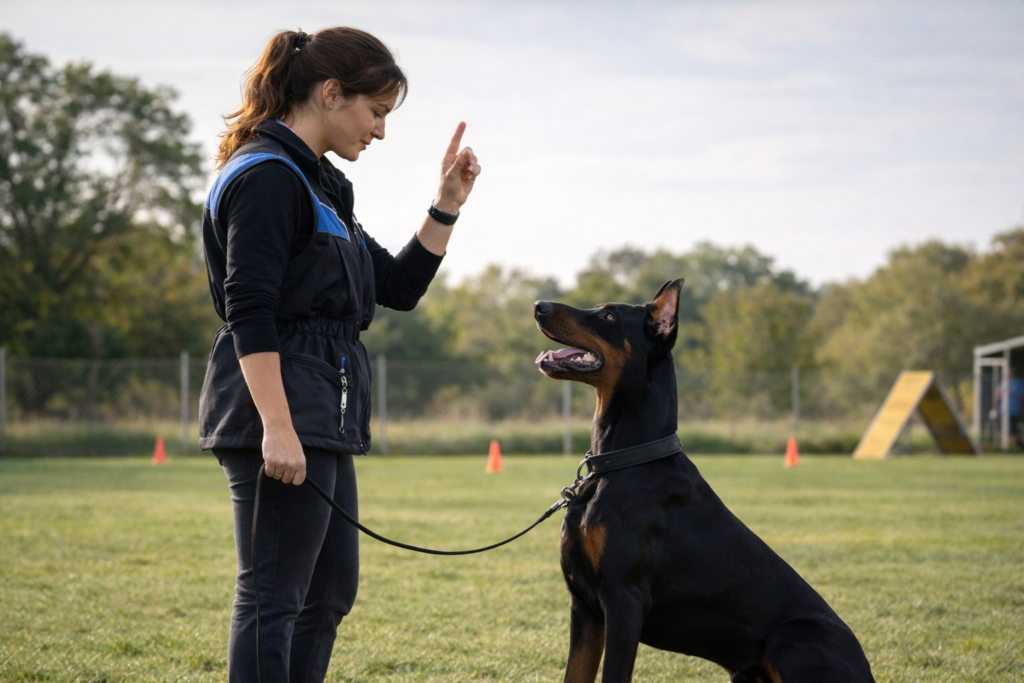
Start with solid obedience training before any protection work. Your dog needs to master basic commands like sit, stay, come, down, and heel.
Obedience creates the foundation for all advanced training. A dog that doesn’t listen to basic commands won’t be reliable in high-pressure situations.
Enroll in obedience classes or work with a professional trainer who uses positive reinforcement methods. Consistency is key, so practice commands daily in different environments.
Your dog should respond to your commands even with distractions present. This control is what separates a well-trained guard dog from a liability.
Protection Training Basics
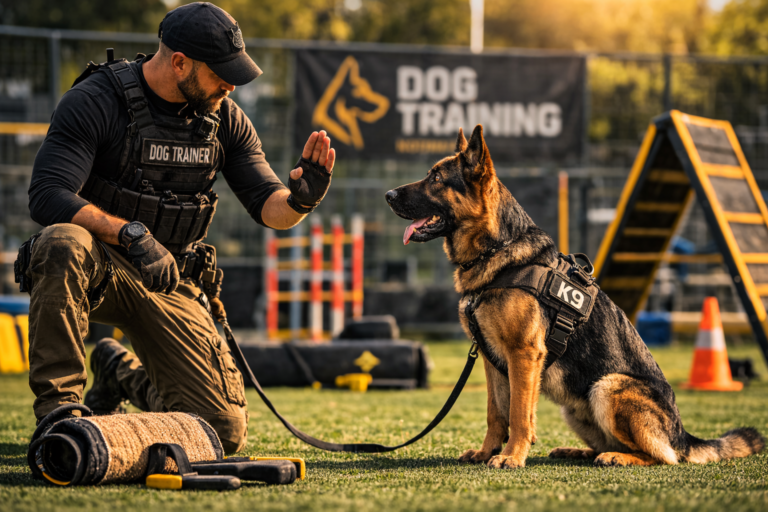
Professional protection training teaches your dog when to protect and when to be calm. Never attempt serious protection training without a qualified trainer.
Protection training should only begin after your dog has mastered obedience and shows a stable temperament. The training teaches controlled aggression that you can turn on and off with commands.
Work with trainers experienced in protection sports or personal protection dog training. They’ll teach your dog to recognize real threats while ignoring normal daily interactions.
For the best results, consider starting with a personal family protection dog that’s already been professionally trained. These dogs come with the skills you need and bond quickly with new owners.
Socialization for Balanced Behavior
Socialization prevents your protective dog from becoming fearful or overly aggressive. Expose your dog to different people, places, sounds, and situations from puppyhood.
A well-socialized guard dog can distinguish between normal visitors and actual threats. They remain calm around your friends and family while staying alert to danger.
Take your dog to pet-friendly stores, parks, and events. Let them meet friendly dogs and people in controlled settings. The more positive experiences they have, the more confident and balanced they become.
Balanced socialization creates a dog that’s protective when needed but a pleasure to live with every day.
Living with Your Guard Dog
Having a protection dog changes your daily routine in positive ways. Understanding what to expect helps you create the best life for both you and your dog.
Daily Exercise and Mental Stimulation
Guard dog breeds need regular exercise to stay healthy and happy. Plan for at least one hour of physical activity daily, split into walks, play sessions, or training.
Mental stimulation is just as important as physical exercise. Use puzzle toys, training sessions, and scent work to keep your dog’s mind engaged.
A tired dog is a well-behaved dog. Without enough exercise, even the best-trained guard dog can develop destructive behaviors or become anxious.
Mix up your activities to keep things interesting. Try hiking, jogging, fetch, or agility training to give your dog both physical and mental challenges.
Creating a Safe Home Environment
Your guard dog needs a secure yard with proper fencing if you have outdoor space. A six-foot fence is minimum for most protection breeds.
Inside your home, establish boundaries and rules from day one. Decide which rooms are off-limits and where your dog can relax.
Provide a comfortable bed or crate where your dog can retreat when they need downtime. Even protective dogs need a safe space of their own.
Keep your dog’s routine consistent with regular feeding times, walks, and training sessions. Routines help guard dogs feel secure and perform their protective role better.
Health and Veterinary Care
Guard dog breeds need regular veterinary checkups to stay in peak condition. Schedule annual exams and keep vaccinations current.
Large breeds can be prone to hip dysplasia and other joint issues. Feed high-quality food appropriate for your dog’s size and activity level.
Maintain preventive care for fleas, ticks, and heartworm. Regular dental care prevents problems that could affect your dog’s overall health.
Keep your dog at a healthy weight through proper diet and exercise. Overweight dogs face more health issues and can’t perform their protective duties as effectively.
Want to learn more about selecting the right protector? Read our guide on how to find protection dog that fits your needs.
Guard Dogs vs. Family Protection Dogs
Understanding the difference between guard dogs and family protection dogs helps you choose the right type for your situation.
Key Differences in Training and Purpose
Guard dogs are trained primarily to protect property and alert to intruders. They typically work more independently and may be less focused on personal bonding.
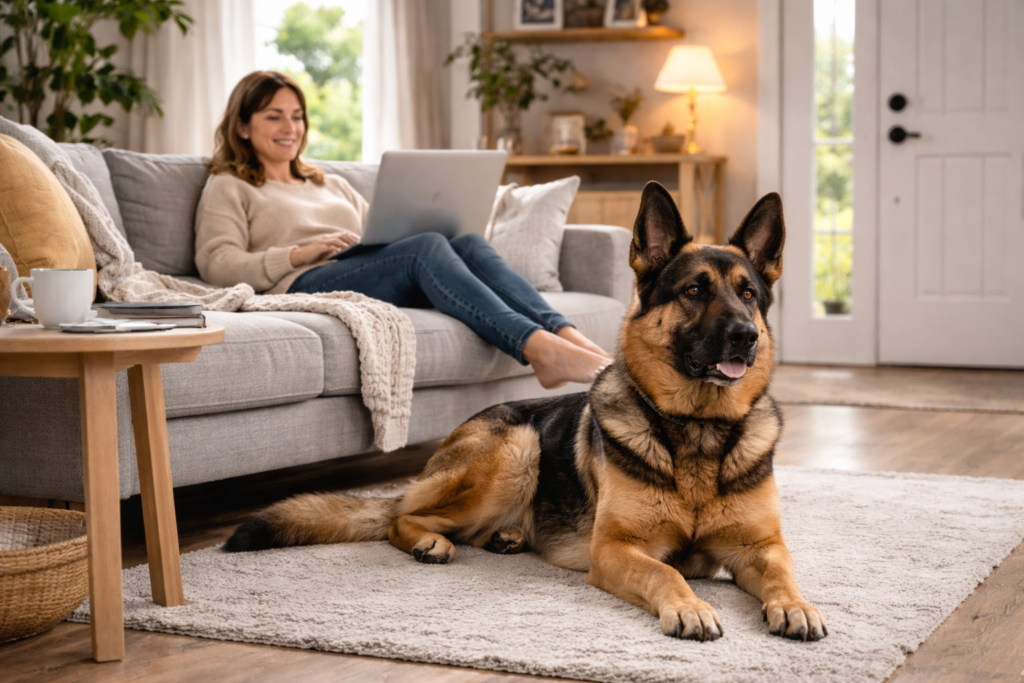
Family protection dogs are trained to protect specific people, not just property. They bond closely with family members and can accompany you in public while remaining protective.
The training approach differs significantly. Guard dogs learn territorial behavior, while family protection dogs learn to protect their handler in any location.
For women seeking a companion who also provides protection, a family protection dog is usually the better choice. These dogs integrate into daily life more smoothly.
Which Type Fits Your Needs
Consider where you need protection most. If you want a dog to guard your home while you’re away, a traditional guard dog might work.
If you want a dog who protects you both at home and when you’re out, a family protection dog is ideal. These dogs can accompany you on walks, runs, or errands while providing security.
Your lifestyle determines the best fit. Active women who want a companion for all activities benefit most from best family protection dogs trained for personal protection.
Think about your daily routine and where you want your dog to be. The more integrated into your life you want your dog to be, the more a family protection dog makes sense.
Common Myths About Guard Dogs for Women
Several misconceptions exist about women owning guard dogs. Understanding the facts helps you make informed decisions.
Myth: Women Can’t Handle Large Guard Dogs
This outdated belief ignores the fact that training and bonding matter more than physical strength. Properly trained dogs respond to commands, not physical force.
Women successfully handle large guard dog breeds every day. The key is establishing leadership through consistent training and clear communication.
Professional trainers actually note that women often excel at guard dog handling because they focus on building relationships rather than dominance.
Myth: Guard Dogs Are Aggressive All the Time
Well-trained guard dogs are calm and controlled in normal situations. They only show aggression when a real threat appears or when commanded.
A properly socialized protection dog is friendly with your family and guests. They’re trained to read situations and respond appropriately.
Aggressive behavior toward everyone signals poor training or temperament issues, not good guard dog qualities.
Myth: You Need a Male Dog for Protection
Female guard dogs are equally capable protectors as males. They’re often more focused, easier to train, and less likely to be distracted.
Many professional protection dog programs prefer females for personal protection work because of their strong bonding with handlers.
The individual dog’s temperament, training, and genetics matter far more than gender when it comes to protection ability.
Final Thoughts on Selecting the Best Guard Dogs for Women
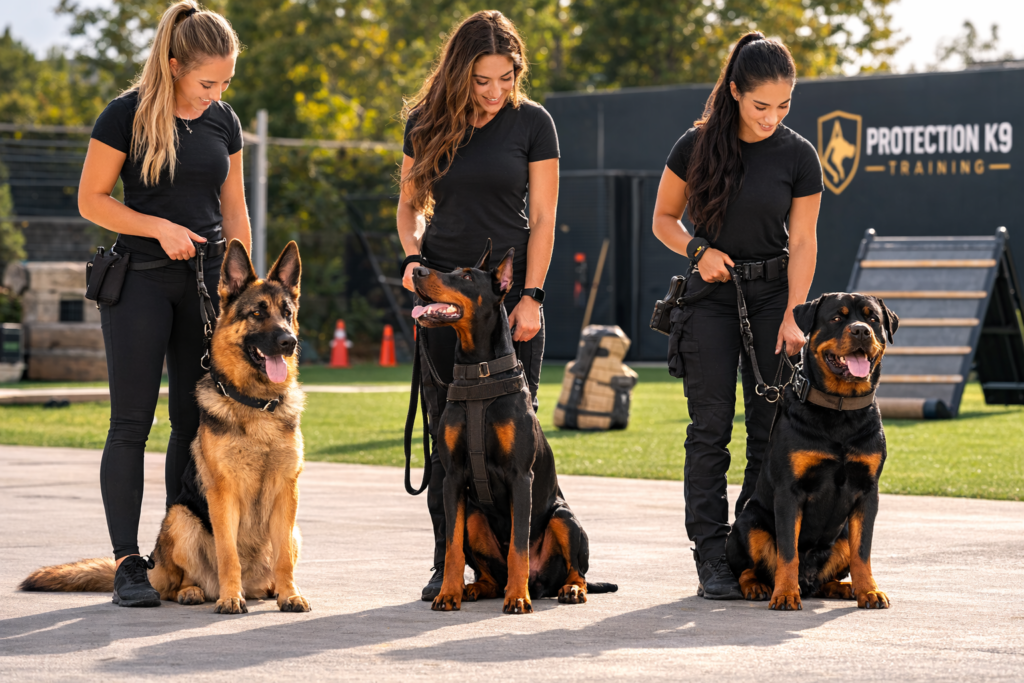
Choosing the right guard dog means finding a breed that matches your lifestyle, living situation, and protection needs. The best guard dogs for women combine loyalty, trainability, and protective instincts with a manageable size and loving temperament.
Whether you choose a German Shepherd for versatility, a Doberman for athleticism, or a Belgian Malinois for elite performance, success comes from proper training and building a strong bond with your dog. Your guard dog should make you feel safer while also being a trusted companion you enjoy spending time with every day.
K9 Mania Protection Dogs specializes in providing professionally trained protection dogs specifically suited for women’s security needs. Our dogs combine superior genetics, expert training, and carefully selected temperaments to give you both protection and companionship. Contact us today to find your perfect protector.
You May Also Want to Read
- Belgian Malinois vs German Shepherd: Which Protection Breed is Right for You?
- German Shepherd Protection Dog: Your Complete Guide to Safety and Loyalty
- Giant Schnauzer Protection Dog: Complete Guide to This Loyal Guardian
- Rottweiler Protection Dog: Complete Guide to This Loyal Guardian
- Protection Dog Commands
Frequently Asked Questions
What are the 5 best guard dogs?
German Shepherds, Doberman Pinschers, Belgian Malinois, Rottweilers, and Cane Corsos are among the best guard dogs. They’re intelligent, loyal, and naturally protective, making them excellent for security and family protection.
What dogs are best for women?
German Shepherds, Dobermans, and Belgian Malinois are great choices. They are protective, highly trainable, and form strong bonds with their owners while remaining manageable in everyday situations.
Which dog breed is best for guarding a home?
German Shepherds are one of the best home guard dogs because they’re intelligent, alert, and easy to train. Rottweilers are also excellent due to their strong territorial instincts and protective nature.
What are the top 3 most loyal dogs?
German Shepherds, Dobermans, and Rottweilers are known for exceptional loyalty. They bond deeply with their families and naturally protect the people they love.
Which dog is the kindest?
German Shepherds are often considered the kindest guard dog breed. They are protective yet gentle with family members, especially when properly trained and socialized.
What is the #1 smartest dog?
The Border Collie is widely considered the smartest dog breed. Among guard dogs, German Shepherds and Belgian Malinois stand out for their intelligence and trainability.