A Cane Corso protection dog is a powerful, loyal guardian bred specifically for personal and family protection. With their natural protective instincts, intelligence, and imposing presence, these Italian mastiffs excel at deterring threats while remaining devoted family companions.
Whether you’re looking for a family protector or a professional security solution, understanding what makes the Cane Corso unique helps you decide if this breed is right for your needs. Their combination of trainability, loyalty, and natural guarding ability has made them increasingly popular among families and security professionals alike.
In this guide, we’ll explore everything you need to know about Cane Corso protection dogs, from their natural abilities to training requirements, and how they compare to other protection breeds.
Ready to bring home an elite guardian? Explore our custom protection dogs trained specifically for your family’s needs.
What Makes Cane Corso Protection Dogs Exceptional Guardians
The Cane Corso stands out among protection breeds for several compelling reasons. These Italian mastiffs were originally bred to guard property, hunt large game, and serve as loyal companions to their families. Today, they continue to excel in protection work thanks to their unique combination of physical and mental traits.

Natural Protective Instincts and Temperament
Cane Corsos possess an innate ability to assess threats and respond appropriately. Unlike some breeds that bark at everything, a Cane Corso protection dog carefully evaluates situations before acting. This discernment makes them excellent for family environments where they need to distinguish between normal visitors and actual threats.
Their protective nature stems from centuries of selective breeding. Italian farmers relied on these dogs to protect livestock from wolves and thieves. This heritage means modern Cane Corsos naturally patrol their territory and remain alert to unusual activity.
The breed’s temperament balances confidence with calmness. A well-bred Cane Corso doesn’t show aggression without cause but remains ready to defend when necessary. They form deep bonds with family members, making them particularly motivated to protect those they love.
Socialization plays a crucial role in developing a balanced Cane Corso protection dog. Early exposure to different people, animals, and situations helps them distinguish between normal life and genuine threats. Without proper socialization, their protective instincts can become overactive.
Physical Attributes That Enhance Protection Ability
Standing 23-27 inches tall and weighing 90-110 pounds, the Cane Corso presents an intimidating figure to potential intruders. Their muscular build and broad head give them the physical capability to stop threats if verbal warnings fail.
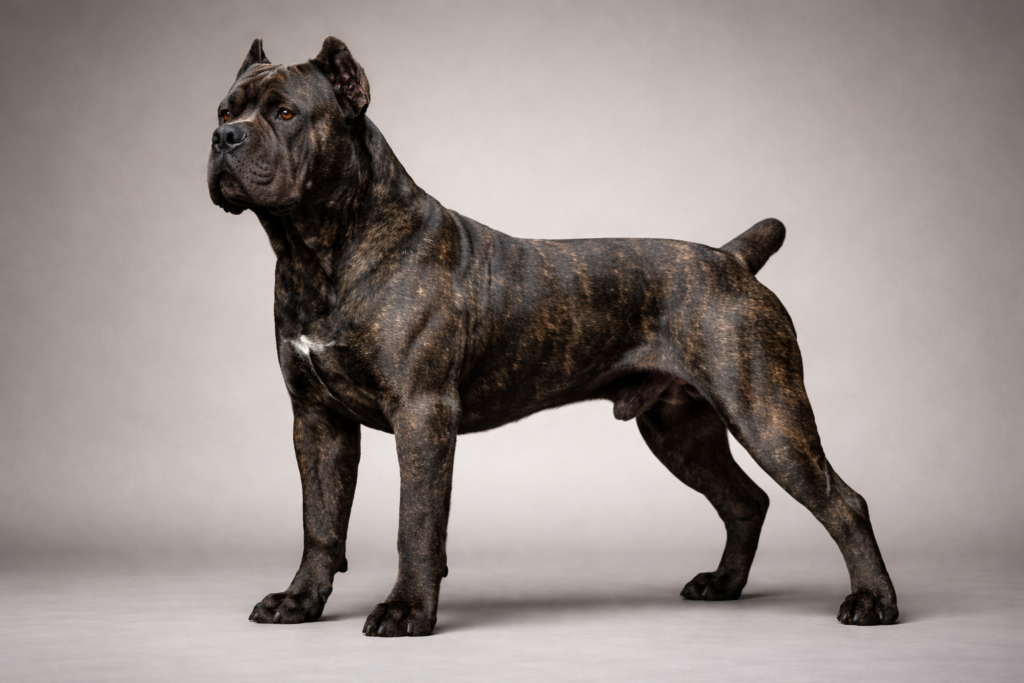
Their bite force measures between 650-700 PSI, among the highest of all dog breeds. This powerful jaw strength means they can physically restrain an intruder if protection becomes necessary. However, their mere presence often prevents situations from escalating to that point.
The breed’s athletic ability allows them to move quickly despite their size. They can sprint, jump, and change direction rapidly when responding to threats. This agility, combined with their strength, makes them formidable protectors.
Their short coat requires minimal grooming but doesn’t hinder their ability to work in various weather conditions. Unlike long-haired breeds, they won’t overheat during physical activity and remain comfortable in both indoor and outdoor protection roles.
Key Physical Traits:
- Height: 23-27 inches
- Weight: 90-110 pounds
- Bite force: 650-700 PSI
- Lifespan: 10-12 years
- Coat: Short, dense, weather-resistant
Intelligence and Trainability for Protection Work
Cane Corsos rank high in working intelligence, making them responsive to protection training. They learn commands quickly and remember them reliably, which is essential for controlled protection work. Their eagerness to please their handler makes training sessions productive.
Professional protection training typically takes 6-12 months for a Cane Corso to reach full capability. During this time, they learn to respond to specific commands, control their bite pressure, and release on command. These skills ensure they protect effectively without becoming a liability.
The breed’s intelligence allows them to perform complex tasks beyond basic guarding. They can learn to patrol specific areas, respond to intrusion alarms, or protect family members in various scenarios. This versatility makes them suitable for both home and professional security applications.
However, their intelligence also means they require consistent leadership. A Cane Corso protection dog needs an owner who can establish clear rules and maintain them. Without firm, fair guidance, they may make their own decisions about when protection is necessary.
Why Choose a Cane Corso Protection Dog for Your Family
Selecting the right protection breed involves weighing multiple factors. The Cane Corso offers specific advantages that make them stand out for family protection compared to other guardian breeds.
Balancing Family Companionship with Guardian Duties
Unlike some protection breeds that remain aloof, Cane Corsos form strong emotional bonds with their families. They thrive on human interaction and prefer to be near their loved ones. This attachment makes them naturally motivated to protect family members.
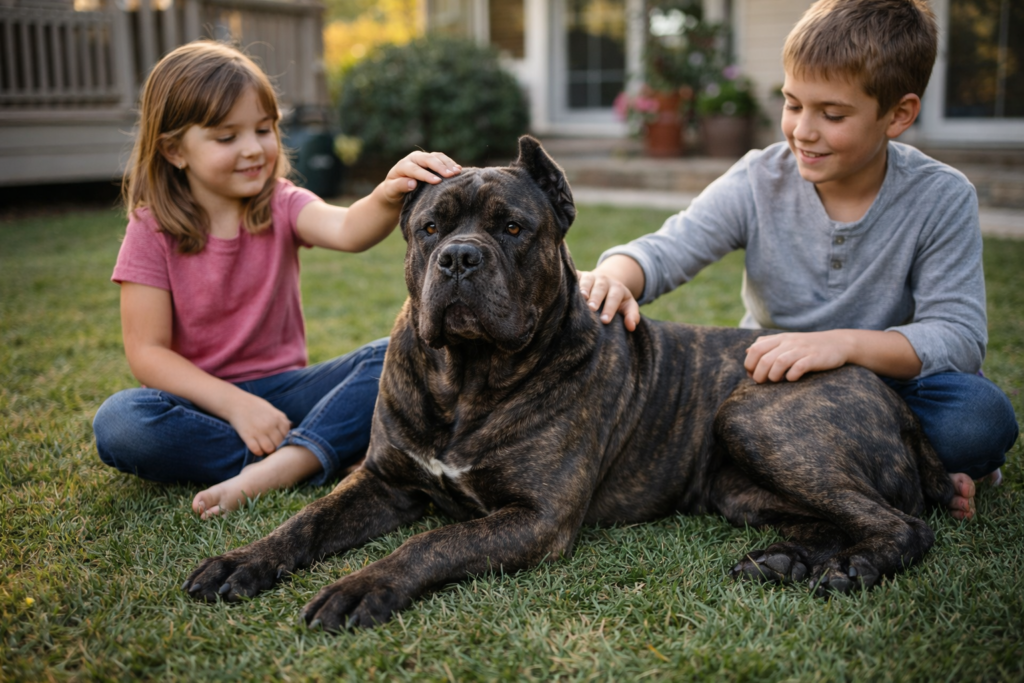
Their calm demeanor inside the home contrasts with their alertness to external threats. A Cane Corso protection dog can relax with children during playtime, then immediately shift to guardian mode when needed. This flexibility makes them ideal for families who want both a pet and a protector.
The breed generally shows patience with children, especially when raised together. Their size and strength require supervision around young kids, but many families report their Cane Corsos being gentle and protective with children. They seem to understand that family members, particularly young ones, need careful treatment.
Their loyalty extends to all household members, though they may bond most strongly with their primary handler. This widespread affection means they’ll protect the entire family rather than focusing exclusively on one person. Each family member benefits from having a devoted guardian.
Comparing Cane Corso to Other Protection Breeds
Understanding how the Cane Corso stacks up against other popular protection breeds helps you make an informed decision:
| Breed Feature | Cane Corso | German Shepherd | Rottweiler | Belgian Malinois |
| Size | 90-110 lbs | 65-90 lbs | 80-135 lbs | 40-80 lbs |
| Energy Level | Moderate-High | High | Moderate | Very High |
| Family Friendly | High | Very High | High | Moderate |
| Training Difficulty | Moderate | Easy | Moderate | Moderate-Difficult |
| Intimidation Factor | Very High | High | Very High | Moderate |
| Maintenance | Low | Moderate | Low | Moderate |
The Cane Corso’s lower maintenance needs compared to German Shepherds or Belgian Malinois appeal to families who want an effective protector without extensive grooming. Their short coat sheds moderately and requires only weekly brushing.
Their moderate energy level means they need daily exercise but don’t require the constant activity that breeds like Malinois demand. A Cane Corso protection dog stays content with a couple of walks and some playtime, then settles calmly in the home.
Ready to bring home a professionally trained guardian? Our elite protection dogs come with complete training and lifetime support.
Training and Preparing for a Cane Corso Protection Dog
Bringing any protection dog into your home requires preparation. The Cane Corso’s size, strength, and protective nature demand specific considerations to ensure a smooth transition.
Essential Training Components for Protection Work
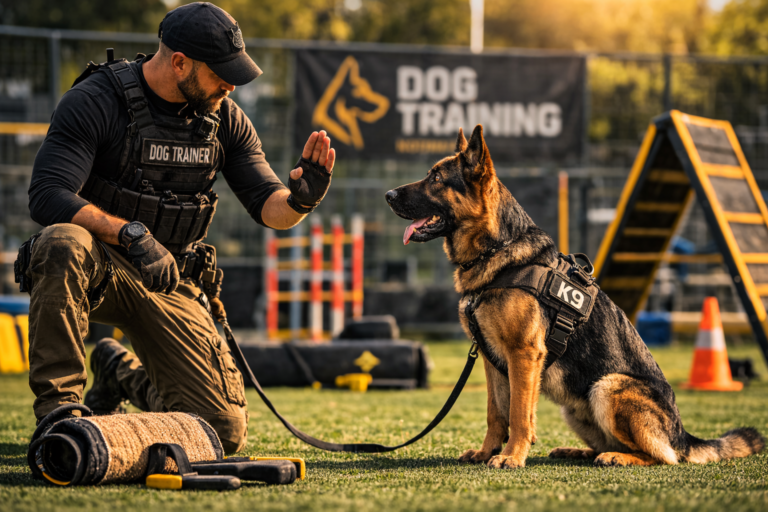
Professional protection training covers multiple skill areas beyond basic obedience. A fully trained Cane Corso protection dog masters these core competencies:
Obedience Foundation: Before protection training begins, the dog must reliably follow basic commands in all situations. Commands like sit, down, stay, come, and heel form the foundation for more advanced work.
Threat Assessment: Dogs learn to distinguish between normal activity and genuine threats. They recognize body language, verbal cues, and situational context that indicates danger versus everyday life.
Controlled Aggression: Protection dogs must activate and deactivate their defensive behavior on command. They learn when to warn, when to physically engage, and critically, when to stop and release.
Building and Property Patrol: Many protection dogs learn to systematically check their territory for intruders. This includes moving through rooms, checking hiding spots, and alerting to unusual findings.
Handler Protection: The dog learns to position itself between the handler and threats, respond to attack commands, and maintain defensive posture until released from duty.
Professional training ensures these skills develop correctly. Attempting protection training without expertise often creates unpredictable dogs that may bite inappropriately or fail to protect when needed.
Before bringing your guardian home, learn how to prepare your home for a protection dog to ensure a smooth transition.
Home Preparation and Family Integration
Your home environment significantly affects how well your Cane Corso protection dog adapts. Physical preparation includes securing your yard with at least a 6-foot fence, as these athletic dogs can clear lower barriers. The fence should extend below ground to prevent digging escapes.
Create designated spaces where your dog can retreat when off-duty. Even protection dogs need quiet time to decompress. A comfortable crate or bed in a low-traffic area gives them a safe space to relax.
Family members should understand the dog’s role and training. Children need clear rules about interacting with the dog, particularly avoiding interference during alert behavior. Everyone should know basic commands and when to allow the dog to work versus calling them off.
Establish a consistent routine from day one. Cane Corsos thrive on predictability, which helps them understand when to be alert and when to relax. Regular feeding times, exercise schedules, and training sessions create structure they can rely on.
Home Preparation Checklist:
- Secure fencing (minimum 6 feet high)
- Designated sleeping area away from high traffic
- Quality food and water stations
- Appropriate toys for mental stimulation
- First aid supplies specific to large breeds
- Clear rules established with all family members
Socialization Requirements for Balanced Protection
Proper socialization creates a Cane Corso protection dog that protects appropriately rather than reacting to every stimulus. Start socialization early if raising a puppy, ideally between 3-14 weeks of age when they’re most receptive to new experiences.
Expose your dog to various people, including different ages, genders, and ethnicities. They should meet friendly strangers in controlled settings so they learn that most people pose no threat. This prevents them from becoming overprotective in normal social situations.
Introduce them to other animals, particularly if you have or plan to have additional pets. A well-socialized Cane Corso can coexist peacefully with other household animals while still protecting the home from intruders.
Environmental exposure matters too. Take them to different locations such as parks, pet stores, and urban settings. They should experience various sounds, surfaces, and situations so nothing startles them unnecessarily when they’re working.
Ongoing socialization throughout their life maintains their social skills. Even adult dogs benefit from regular positive interactions with new people and situations. This continued exposure keeps them confident and discerning rather than fearful and reactive.
Living with Your Cane Corso Protection Dog
Daily life with a Cane Corso protection dog involves balancing their guardian role with normal family activities. Understanding their needs helps create a harmonious household where they can thrive while keeping you safe.
Daily Exercise and Mental Stimulation Needs
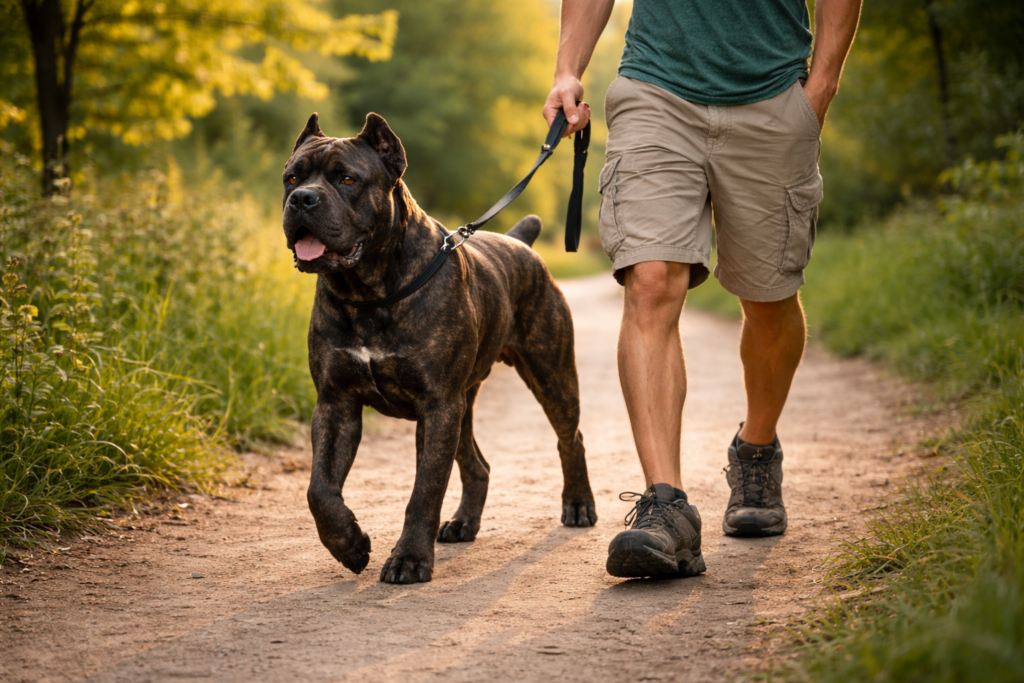
Cane Corsos require substantial exercise to maintain their physical condition and mental balance. Plan for at least 60-90 minutes of activity daily, split across multiple sessions. Morning and evening walks of 30-45 minutes each work well for most families.
Beyond walks, they benefit from activities that engage both body and mind. Playing fetch, practicing obedience commands, or running in a secure area provides the physical outlet they need. Without adequate exercise, they may become destructive or develop behavioral problems.
Mental stimulation prevents boredom in these intelligent dogs. Puzzle toys, training sessions, and new experiences keep their minds engaged. A bored Cane Corso may create their own entertainment, often in ways you won’t appreciate.
Their exercise needs remain high throughout adulthood but should be adjusted for age. Puppies need shorter, frequent sessions to protect developing joints. Senior dogs still need activity but at reduced intensity to accommodate aging bodies.
Understanding Their Protection Instincts in Action
Knowing what a protection dog does helps you recognize normal behavior versus concerning reactions. A Cane Corso protection dog typically displays several levels of response to potential threats.
At the first level, they remain alert and watchful. You’ll notice their ears forward, body tensed, and focus directed at the stimulus. This awareness phase involves gathering information before deciding on action.
If the perceived threat continues, they move to the warning phase. This includes deep barking, positioning between you and the threat, and possibly showing teeth. These behaviors communicate that the dog is prepared to defend if necessary.
The final level involves physical intervention, which occurs only when the threat persists despite warnings or when danger is immediate. A trained dog knows to stop instantly on command, even during active protection.
False alarms happen occasionally as your dog learns your routine and typical visitors. Don’t discourage appropriate alerting behavior, but teach them an “all clear” command to signal when a situation is safe. This helps them relax after assessing potential threats.
There are many reasons dogs are good for protection, and the Cane Corso exemplifies most of them through their natural abilities and trainability.
Wrapping Up: Your Cane Corso Protection Dog Journey
Choosing a Cane Corso protection dog means welcoming an elite guardian into your family. Their combination of natural protective instincts, intelligence, and family loyalty makes them outstanding protectors for those willing to meet their needs. From their imposing physical presence to their discerning temperament, these Italian mastiffs excel at keeping families safe while being devoted companions.
The investment in a professionally trained Cane Corso pays dividends in peace of mind and security. Whether you need a personal family protection dog or enhanced home security, this breed delivers reliable protection without sacrificing family friendliness.
At K9 Mania Protection Dogs, we specialize in dog training Cane Corsos and other elite protection breeds to the highest standards. Our dogs undergo rigorous training programs that develop their natural abilities while ensuring they remain safe, reliable family members. Each dog comes with comprehensive handler training, lifetime support, and a health guarantee. When you’re ready to bring home a professionally trained guardian, our team will help you find the perfect Cane Corso protection dog for your specific needs and living situation.
You May Also Want to Read
Doberman Pinscher Protection Dog: What to Know
Rottweiler Protection Dog: Complete Guide to This Loyal Guardian
Belgian Malinois Protection Dog: Complete Guide for Families and Security
Frequently Asked Questions About
Are Cane Corso protection dogs?
Yes, Cane Corsos are excellent protection dogs. They were originally bred in Italy for guarding property and livestock, giving them natural protective instincts. Their size, strength, and loyal temperament make them highly effective at deterring threats and defending their families when properly trained.
Why do police not use Cane Corso?
Police departments typically don’t use Cane Corsos because they require breeds with specific traits for varied public duties. German Shepherds and Belgian Malinois offer higher energy levels, easier transportability due to smaller size, and longer working traditions in law enforcement. Cane Corsos excel at personal and property protection but lack the versatility police work demands.
Can a Cane Corso defeat a pitbull?
While both breeds are powerful, Cane Corsos typically have physical advantages in size, weight, and bite force. However, dog fights should never be encouraged or viewed as acceptable. Both breeds are capable of serious harm, and responsible ownership focuses on proper training and socialization rather than fighting ability.
What dogs could beat a Cane Corso in a fight?
Larger guardian breeds like Kangals, Caucasian Shepherds, or English Mastiffs might match or exceed a Cane Corso’s fighting capability due to size advantages. However, discussing dogs in fighting contexts promotes harmful stereotypes. Protection dogs are trained to deter and control threats, not to fight other animals.
Do Cane Corsos pick one person?
Cane Corsos often form the strongest bond with their primary handler or trainer but typically show affection and loyalty to all family members. They may be more responsive to one person’s commands while still protecting and loving everyone in the household. Proper socialization with all family members helps prevent excessive bonding to a single person.
What states do not allow Cane Corsos?
No U.S. states have outright bans on Cane Corsos at the state level. However, some municipalities, counties, or housing complexes may have breed-specific legislation that restricts or bans them. Always check local ordinances and housing rules before acquiring a Cane Corso. Some areas require additional insurance or permits for large guardian breeds.