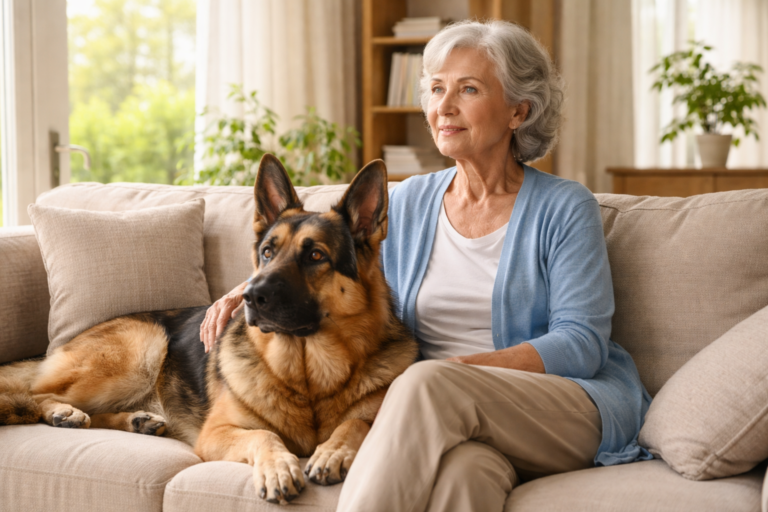
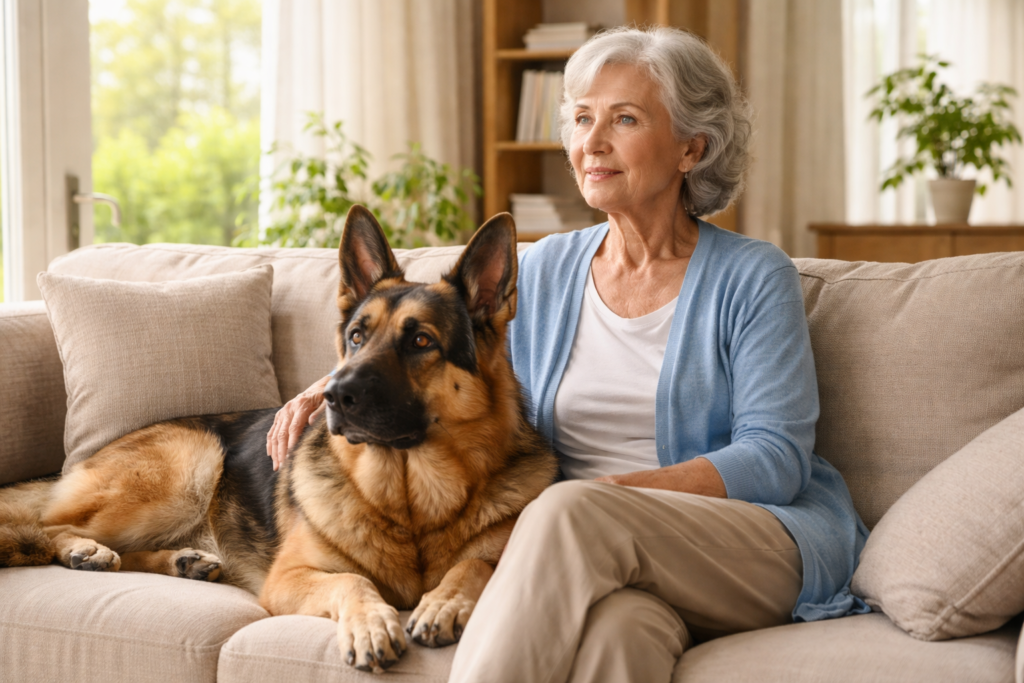
A protection dog for elderly individuals offers both security and loyal companionship, helping seniors maintain independence while staying safe at home. These specially trained dogs provide peace of mind through their protective instincts, calm temperament, and ability to respond to potential threats without being overly aggressive.
Growing older doesn’t mean you have to sacrifice safety or live in fear. The right protection dog can alert you to visitors, deter intruders, and even assist with daily tasks while forming a deep bond with you. Whether you live alone or with family, understanding which breeds work best and how they’re trained makes all the difference.
In this guide, we’ll explore why protection dogs are ideal for seniors, which breeds excel in this role, and what you need to know before bringing one home.
Looking for a trained guardian tailored to your needs? Explore our custom protection dogs designed for senior safety and companionship.
Why Protection Dogs Are Perfect for Seniors
Protection dogs offer seniors a unique combination of security, companionship, and confidence that few other safety measures can match. Unlike alarm systems or cameras, a well-trained dog provides both a physical presence and an emotional connection.
Security Without the Stress
A protection dog creates a powerful deterrent just by being present. Most intruders avoid homes with dogs because they don’t want to risk confrontation or exposure.
These dogs are trained to assess situations calmly. They won’t overreact to every noise, but they will alert you when something seems wrong. This balanced approach means you get protection without constant false alarms.
For seniors who may have mobility limitations, a protection dog can act as your first line of defense. They can position themselves between you and a potential threat, giving you time to call for help or move to safety.
Companionship That Improves Health
Beyond security, protection dogs provide daily companionship that research shows can improve both mental and physical health. Having a dog encourages regular walks, which keeps you active and helps maintain cardiovascular health.
The routine of caring for a dog gives structure to your day. Feeding, walking, and grooming create a sense of purpose that many seniors find fulfilling. This daily engagement can reduce feelings of isolation and depression.
Studies have shown that dog owners often have lower blood pressure and reduced stress levels. The simple act of petting your dog releases oxytocin, the hormone associated with bonding and relaxation.
Independence and Confidence
One of the biggest benefits of having a protection dog is the confidence it brings. Seniors with protection dogs report feeling more comfortable running errands, going for walks, and living independently.
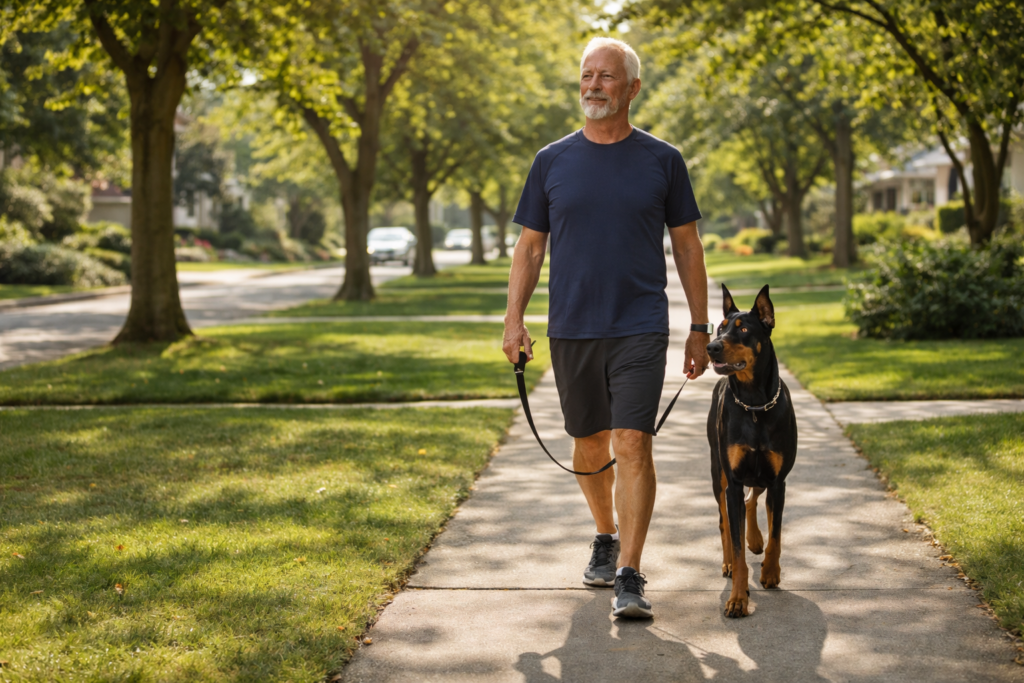
This confidence translates into a better quality of life. You don’t have to rely solely on family members for safety or limit your activities out of fear. Your dog becomes a trusted partner who helps you maintain your lifestyle.
Ready to invest in your safety and peace of mind? Browse our elite protection dogstrained for senior households.
Best Protection Dog Breeds for Elderly Owners
Not all protection dogs are created equal, especially when it comes to senior owners. The best breeds balance protective instincts with a calm, manageable temperament and reasonable exercise needs.
Top Breeds That Excel With Seniors
German Shepherd: Known for their intelligence and loyalty, German Shepherds are highly trainable and naturally protective. They form strong bonds with their owners and can learn to assist with tasks beyond protection. Their medium to large size provides a strong deterrent while remaining manageable with proper training.
Labrador Retriever: While not traditionally considered a protection breed, Labs can be trained for protection work while maintaining their gentle, patient nature. They’re excellent for seniors who want a dog that can protect but also interact well with grandchildren and visitors. Their friendly demeanor doesn’t compromise their ability to defend when needed.
Doberman Pinscher: Dobermans are alert, intelligent, and deeply devoted to their families. Despite their intimidating appearance, well-trained Dobermans are gentle with their owners while maintaining strong protective instincts. They’re athletic but adapt well to indoor living when properly exercised.
Giant Schnauzer: These dogs are naturally protective and territorial without being aggressive. They’re intelligent and responsive to training, making them excellent candidates for protection work. Their size is impressive enough to deter threats, but they’re also known for being calm indoors.
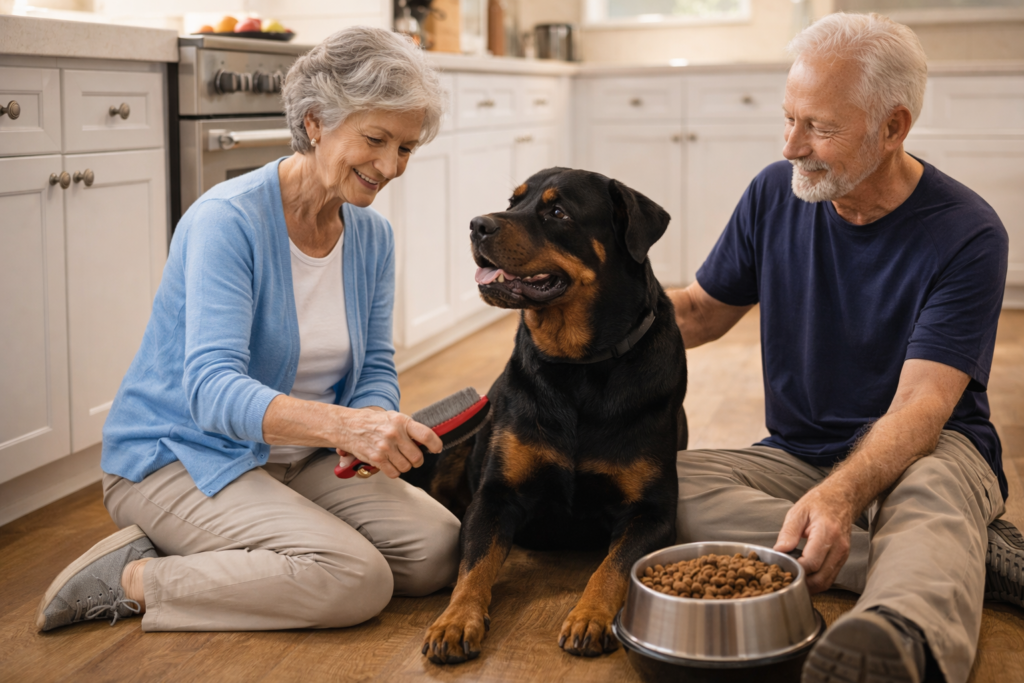
Rottweiler: Rottweilers have a strong protective drive and are confident guardians. When properly trained and socialized, they’re calm, affectionate with family, and excellent at reading situations. They require consistent leadership but reward their owners with unwavering loyalty.
Breed Comparison: What Works Best
| Breed | Size | Exercise Needs | Temperament with Seniors | Training Difficulty | Best For |
| German Shepherd | Large | Moderate to High | Loyal, patient, protective | Moderate | Active seniors who want versatility |
| Labrador Retriever | Large | Moderate | Gentle, friendly, adaptable | Easy | Seniors wanting companionship first, protection second |
| Doberman Pinscher | Large | Moderate to High | Alert, devoted, gentle with family | Moderate | Seniors who want a strong deterrent |
| Giant Schnauzer | Large | Moderate | Protective, intelligent, calm indoors | Moderate | Seniors in suburban or rural settings |
| Rottweiler | Large | Moderate | Confident, affectionate, calm | Moderate to Hard | Experienced dog owners seeking loyalty |
The right breed depends on your lifestyle, physical capabilities, and living situation. A senior in an apartment might do better with a breed that has lower exercise needs, while those with yards and more active lifestyles can handle higher-energy dogs.
Want to learn more about breed selection? Check out our guide on the best family protection dogsto see how different breeds perform.
What to Look for in a Protection Dog for Elderly Owners
Finding the right protection dog for elderly owners means looking beyond breed alone. The dog’s training, temperament, and specific skills matter just as much as genetics.
Essential Training and Temperament
A protection dog for seniors must have solid obedience training as the foundation. This means the dog responds reliably to basic commands like sit, stay, come, and heel. Without this foundation, protection training can create more problems than it solves.
Look for dogs with stable, confident temperaments. A good protection dog doesn’t need to be aggressive or constantly on edge. Instead, they should be calm and observant, only reacting when there’s a genuine threat.
The dog should be socialized to different people, environments, and situations. This prevents fear-based aggression and ensures the dog can distinguish between normal visitors and actual threats. A well-socialized protection dog is friendly when appropriate but switches to protection mode when needed.
Physical Considerations for Senior Handlers
Size matters when matching a protection dog with a senior owner. While larger dogs provide a better deterrent, they also require more physical strength to handle. Consider your ability to walk, control, and care for the dog on a daily basis.
The dog’s energy level should match your activity level. High-energy breeds need substantial exercise, which can be challenging for seniors with mobility issues. Look for dogs with moderate energy that are satisfied with regular walks and mental stimulation.
Age is another factor. While puppies offer the chance to bond from the beginning, they require extensive training and can be physically demanding. Adult dogs that are already trained may be a better choice for seniors who want immediate protection without the puppy phase.
Special Skills That Help Seniors
Beyond basic protection, look for dogs trained in skills that specifically help elderly owners. Some protection dogs can be trained to retrieve items, assist with balance, or alert to medical emergencies while maintaining their protective capabilities.
Dogs trained to respond to specific protection dog commands give you clear control in any situation. This means you can easily direct your dog to stay close, investigate a noise, or stand down when you determine there’s no threat.
Consider dogs trained to work both on and off leash. This flexibility allows you to maintain control even if you accidentally drop the leash or need the dog to respond from a distance.
Training and Care Requirements
Owning a protection dog as a senior requires understanding both the training investment and ongoing care needs. The good news is that professionally trained dogs significantly reduce the burden.
Starting With Professional Training
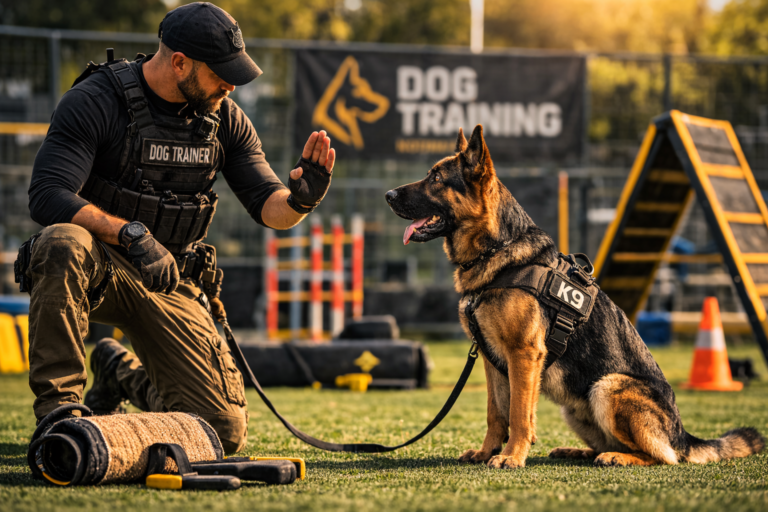
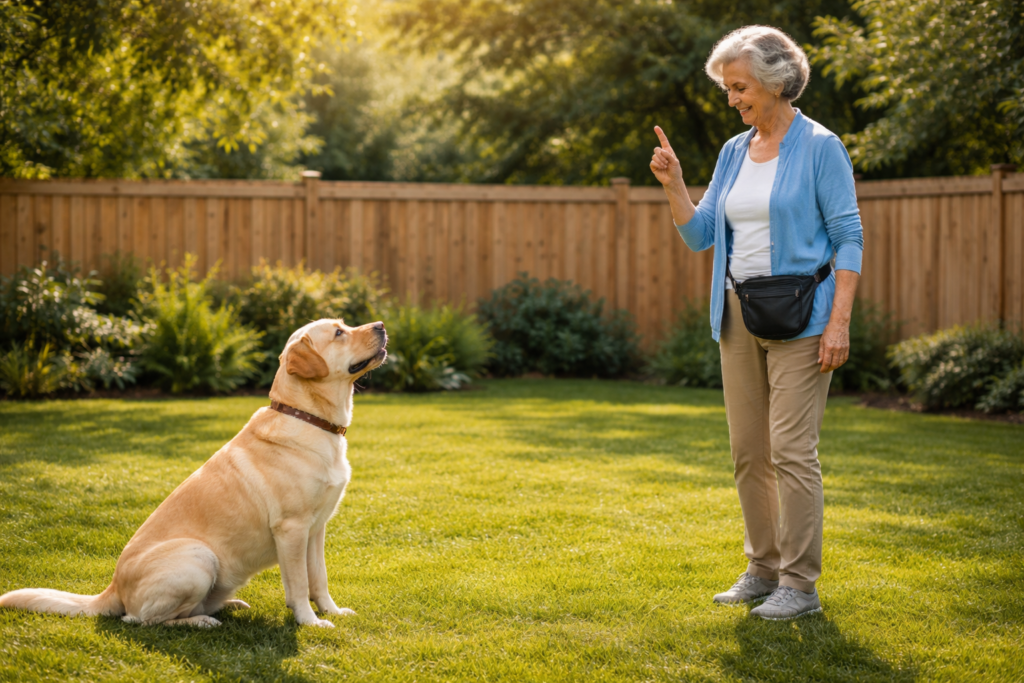
The best approach for seniors is to purchase a dog that’s already professionally trained. These dogs come with established obedience, protection skills, and the temperament testing needed to ensure they’re suitable for elderly owners.
Professional training typically includes threat assessment, controlled aggression, handler protection, and de-escalation. The dog learns to read situations, respond appropriately, and most importantly, stop on command.
When you get a professionally trained dog, you’ll receive handler training as well. This teaches you how to work with your dog, maintain their training, and give commands confidently. Even with limited mobility, you can effectively handle a well-trained protection dog.
Daily Care and Exercise
Protection dogs need regular exercise to stay physically and mentally healthy. This doesn’t mean hours of intense activity, but consistent daily walks and mental stimulation through training refreshers or puzzle toys.
Grooming requirements vary by breed. Short-coated breeds like Dobermans need minimal grooming, while longer-coated breeds like German Shepherds require regular brushing. Consider your physical ability to perform grooming tasks or budget for professional grooming services.
Feeding a large protection dog requires quality food and consistent portions. These dogs typically eat 3-6 cups of food daily, depending on size and activity level. Automatic feeders can help if you have difficulty bending or lifting heavy bags.
Maintaining Training and Skills
Even professionally trained dogs need regular reinforcement. Spend 10-15 minutes daily reviewing basic obedience commands. This keeps skills sharp and strengthens your bond with the dog.
Schedule periodic refresher training with a professional. This ensures your dog maintains their protection skills and gives you guidance on any behavioral issues that might arise.
Keep your dog mentally stimulated. Boredom can lead to behavioral problems even in well-trained dogs. Interactive toys, training games, and varied walking routes all help keep your dog engaged.
Interested in protection dogs specifically suited for your situation? Explore our personal family protection dogs with training tailored to individual needs.
Making the Right Choice for Your Lifestyle
Choosing a protection dog involves more than falling in love with a breed. You need to honestly assess your current lifestyle, physical capabilities, and living situation.
Assessing Your Living Situation
Consider your home environment. Apartments and condos may have breed restrictions or size limits that affect your options. Houses with yards provide more flexibility but require secure fencing for safety.
Think about your daily routine. If you’re very active and spend time outdoors, you can handle a higher-energy dog. If you prefer a quieter lifestyle with shorter walks, choose a breed with moderate exercise needs.
Evaluate your support system. Do you have family or friends nearby who can help with dog care if you’re sick or traveling? Having backup support makes dog ownership easier and less stressful.
Cost Considerations
| Expense Category | Initial Cost | Annual Cost | Notes |
| Professionally Trained Dog | $15,000 – $50,000+ | N/A | Higher for elite training and rare breeds |
| Food (Premium Quality) | $200 – $400 | $1,200 – $2,400 | Large breeds eat 3-6 cups daily |
| Veterinary Care | $200 – $500 | $500 – $1,500 | Includes checkups, vaccines, preventatives |
| Insurance | $300 – $600 | $600 – $1,200 | Liability coverage recommended |
| Grooming | $0 – $100 | $200 – $800 | Varies by breed and DIY vs professional |
| Training Refreshers | $0 – $500 | $300 – $1,000 | Periodic professional sessions |
| Supplies (leashes, beds, toys) | $200 – $500 | $200 – $400 | Replace as needed |
Budget for unexpected veterinary emergencies. Senior dogs or larger breeds may face health issues that require expensive treatment. Pet insurance can help offset these costs.
Trial Periods and Guarantees
Reputable protection dog trainers often offer trial periods or guarantees. This allows you to ensure the dog fits well with your lifestyle before making a final commitment.
Use the trial period to test the dog in your actual living environment. See how they handle your daily routine, interact with regular visitors, and respond to your commands.
Don’t rush the decision. A protection dog is a long-term commitment that should enhance your life, not complicate it. Take time to find the right match.
Looking for guidance on breeds that excel in protection work? Read about the best guard dogs for women for similar insights that apply to senior owners.
Your Partner in Safety and Companionship
A protection dog for elderly owners represents more than just a security measure. These remarkable animals provide daily companionship, encourage active living, and offer the confidence that comes from knowing you’re protected. Whether you choose a German Shepherd for their versatility, a Labrador for their gentle nature, or a Doberman for their alertness, the right dog transforms your daily life.
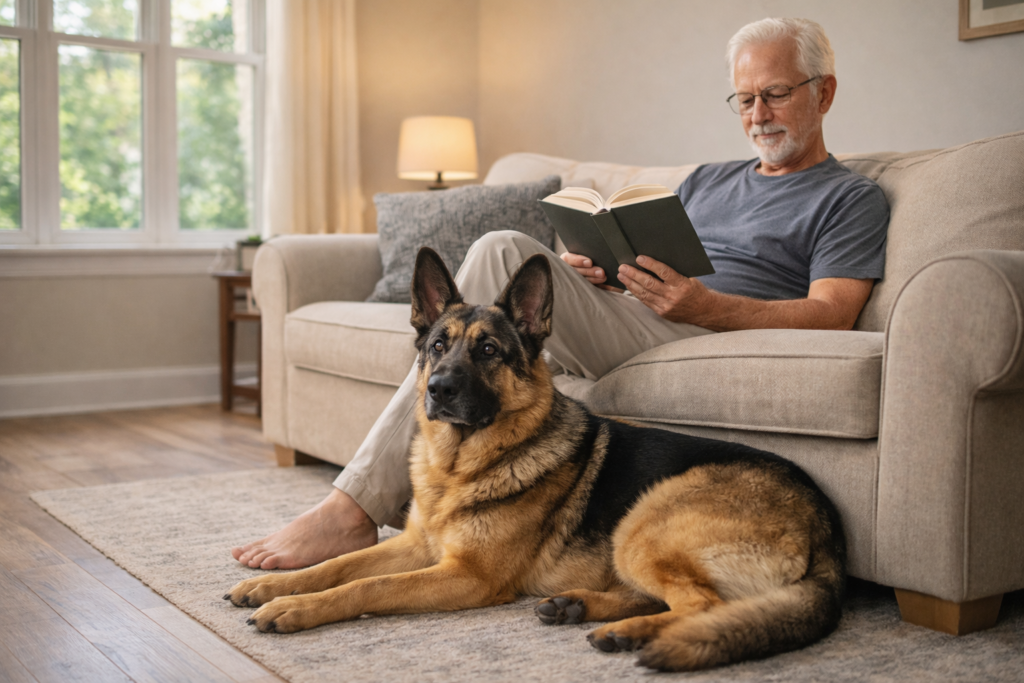
The key to success lies in choosing a professionally trained dog that matches your physical capabilities and lifestyle. With the right preparation and ongoing care, your protection dog becomes a trusted companion who enhances your independence while keeping you safe.
When you’re ready to find your ideal protection dog, K9 Mania Protection Dogs offers expertly trained canines specifically suited for senior owners. Our dogs combine elite protection skills with the calm temperament and manageable nature that elderly handlers need. Each dog receives comprehensive training and comes with handler education to ensure a smooth transition into your home.
Contact K9 Mania Protection Dogs today to discover how a professionally trained protection dog can provide you with safety, companionship, and peace of mind for years to come.
Explore Related Articles
Frequently Asked Questions
What is the best dog for seniors protection?
German Shepherds and Doberman Pinschers are excellent choices for senior protection because they combine strong protective instincts with trainability and loyalty. German Shepherds are versatile and can be trained for both protection and assistance tasks, while Dobermans are naturally alert and devoted to their families. Both breeds adapt well to indoor living when properly exercised and are intelligent enough to distinguish between normal situations and genuine threats, making them reliable protectors without being overly aggressive.
What kind of dog is best for seniors?
Labrador Retrievers and Giant Schnauzers work exceptionally well for seniors who want both companionship and protection. Labs are gentle, patient, and easy to train while still capable of protection work when needed. Giant Schnauzers are intelligent, naturally protective, and calm indoors despite their size. Both breeds have moderate exercise needs that most active seniors can manage with daily walks, and their friendly nature with family members makes them ideal for seniors who may have visiting children or grandchildren.
What is the calmest dog for the elderly?
Rottweilers and trained adult Labrador Retrievers are among the calmest protection breeds for elderly owners. Well-bred Rottweilers are confident and composed, showing aggression only when truly necessary, while their indoor demeanor is typically relaxed and affectionate. Adult Labs that have completed protection training are patient, gentle with their handlers, and maintain a peaceful household presence. Both breeds provide strong protection capabilities while remaining calm and manageable in daily life, which is essential for seniors who need predictable, stable companions.
What is the lowest maintenance dog for seniors?
Doberman Pinschers and short-coated German Shepherds require the least grooming maintenance among protection breeds. Dobermans have short, sleek coats that need only weekly brushing and occasional baths, making them ideal for seniors with limited mobility. Short-coated German Shepherds also have manageable grooming needs compared to long-haired varieties. Both breeds are intelligent and retain training well, meaning less ongoing training maintenance once they’re properly educated. However, both still need regular exercise and mental stimulation to stay healthy and well-behaved.
Should a 70 year old get a dog?
Yes, a 70-year-old can absolutely get a dog if they’re in reasonable health and have the resources for proper care. The key is choosing a professionally trained adult dog rather than a puppy, which eliminates the demanding puppy phase. Protection dogs provide significant benefits for seniors, including improved physical health through daily walks, mental stimulation, reduced loneliness, and enhanced home security. Consider your support system, financial ability to cover veterinary care, and physical capability to handle daily walks when making this decision.
What kind of dog is good for dementia patients?
Calm, well-trained Labrador Retrievers and German Shepherds can be excellent for dementia patients when they receive specialized training. These dogs can be trained to provide routine structure, which helps dementia patients maintain daily schedules for meals, medications, and activities. They can also be taught to gently redirect wandering behavior and alert caregivers to safety concerns. The dog’s predictable presence provides comfort and reduces anxiety, while their protective instincts ensure the patient’s safety. Choose a dog with a patient, gentle temperament and consider working with trainers who specialize in assistance dogs for dementia care.