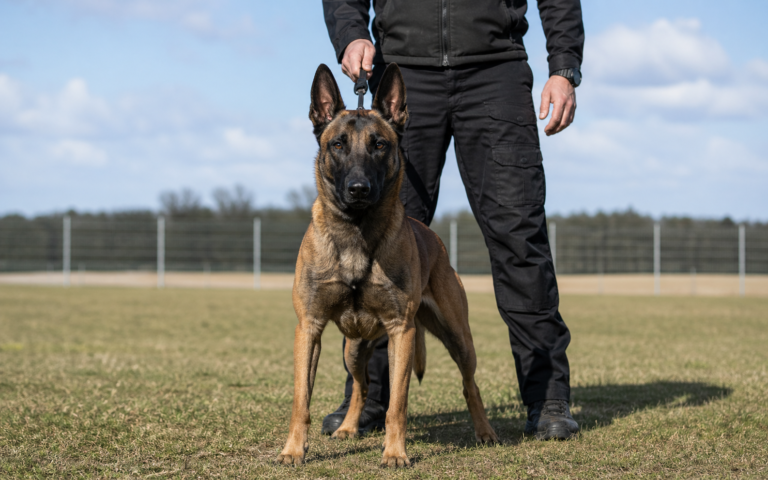
The different types of protective dogs serve specific security roles, from personal bodyguards to family companions and property guardians. Understanding these categories helps you choose a protection dog that matches your lifestyle, security needs, and training preferences.
Whether you need a loyal companion for daily protection, a family guardian, or a property sentinel, each type brings unique strengths to the table. The right protection dog depends on your living situation, family composition, and the level of security you require. Let’s break down what sets these canine protectors apart and how to pick the perfect match for your specific needs.
Ready to explore protection dogs built for your lifestyle? Check out our family protection dogs for sale and find your trusted guardian.
What Makes a Dog Protective?
Protection dogs combine natural instincts with professional training to guard people, property, and territory. These dogs possess specific traits that set them apart from regular pets, making them effective guardians in different scenarios.
Natural Protective Instincts
Certain breeds are born with stronger protective drives than others. These dogs naturally assess threats, position themselves between their family and danger, and show courage when situations demand action.
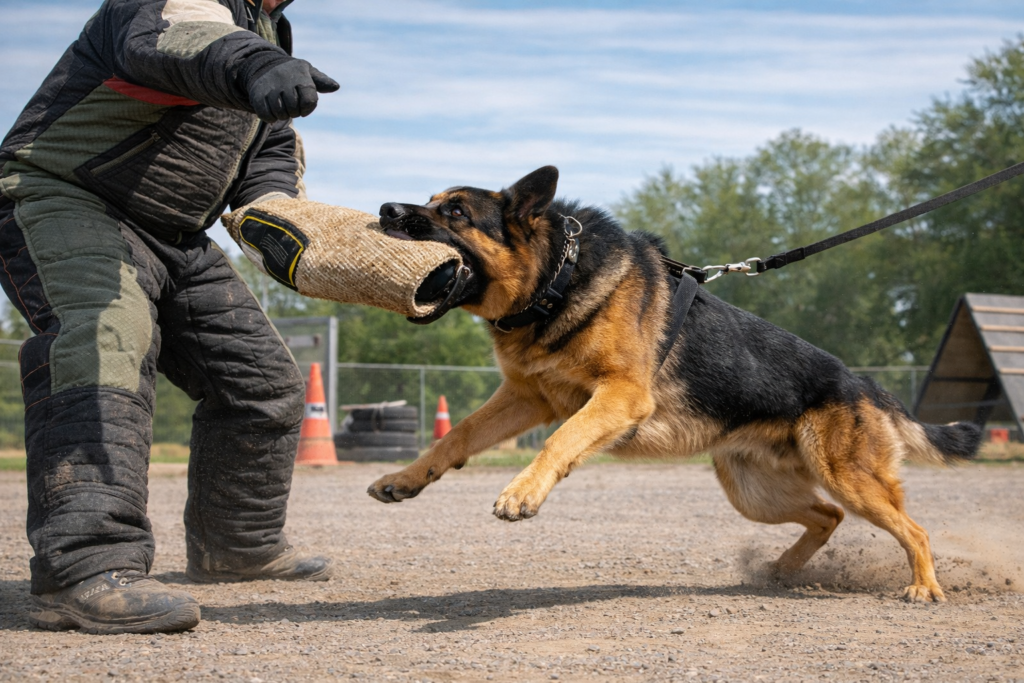
Protective instincts show up early in a dog’s development. Puppies from working lines often display alertness, territorial awareness, and confidence around 8-12 weeks old. These traits become more defined as the dog matures.
Key protective traits include:
- Strong territorial awareness and boundary recognition
- Natural suspicion of strangers without unnecessary aggression
- Confidence in unfamiliar situations and environments
- Loyalty and bonding deeply with their family unit
- Physical courage when facing potential threats
Breed matters significantly when it comes to natural protection ability. German Shepherds, Belgian Malinois, and Rottweilers consistently demonstrate these instincts across generations. However, individual temperament varies even within protective breeds.
Training vs. Breeding
Natural instinct provides the foundation, but professional training transforms a protective dog into a reliable guardian. Raw protective drive without control creates liability rather than security.
Training refines a dog’s natural instincts into controlled, predictable responses. A properly trained protection dog knows when to alert, when to intimidate, and when to engage. This discrimination prevents false alarms and ensures appropriate reactions.
Professional protection training covers:
- Threat assessment and environmental awareness
- Controlled aggression on command only
- Off-switch reliability in safe situations
- Handler protection in various scenarios
- Obedience under high-stress conditions
Breeding establishes potential, while training determines performance. A dog from champion protection lines still needs extensive work to become a functional guardian. Conversely, even dogs with moderate protective instincts can develop into capable protectors through dedicated training programs.
The best protection dogs combine both elements. Strong genetic foundation plus expert training creates dogs that protect effectively while remaining safe family companions.
Types of Protective Dogs by Role
Protection dogs fill different roles based on their training focus and intended purpose. Each type serves specific security needs, from close personal protection to property surveillance and everything in between.
| Protection Type | Primary Focus | Ideal For | Training Emphasis |
| Personal Protection | Handler safety during daily activities | Individuals needing close security, business owners, high-risk professionals | On and off-leash obedience, threat neutralization, public access behavior |
| Family Protection | Household safety and child protection | Families with children, suburban homes, multi-person households | Discriminating between guests and threats, child-safe behavior, home defense |
| Property Guardian | Perimeter security and deterrence | Large properties, rural estates, businesses with outdoor areas | Territorial patrol, bark alerts, boundary awareness |
| Estate Protection | Comprehensive property and personnel security | Multi-acre properties, farms, ranches, compounds | Advanced patrol work, multiple handler recognition, zone coverage |
Personal Protection Dogs
Personal protection dogs accompany their handlers everywhere, providing close-range security during daily activities. These dogs work both on and off-leash, maintaining awareness of their handler’s surroundings at all times.
Training for personal protection emphasizes controlled aggression and public access behavior. Your protection dog must differentiate between normal interactions and genuine threats while remaining calm in crowded environments like stores, offices, or restaurants.
Ideal situations for personal protection dogs:
- Business owners who travel frequently or work late hours
- Individuals in high-risk professions or public positions
- People living alone in urban or suburban areas
- Anyone requiring mobile security during daily routines
These dogs excel at threat assessment and quick response times. They position themselves strategically, monitor approaching strangers, and respond instantly to handler commands or perceived dangers.
Family Protection Dogs
Family protection dogs balance guardian instincts with gentle household behavior. These dogs protect all family members while showing patience with children and tolerance for household activity.
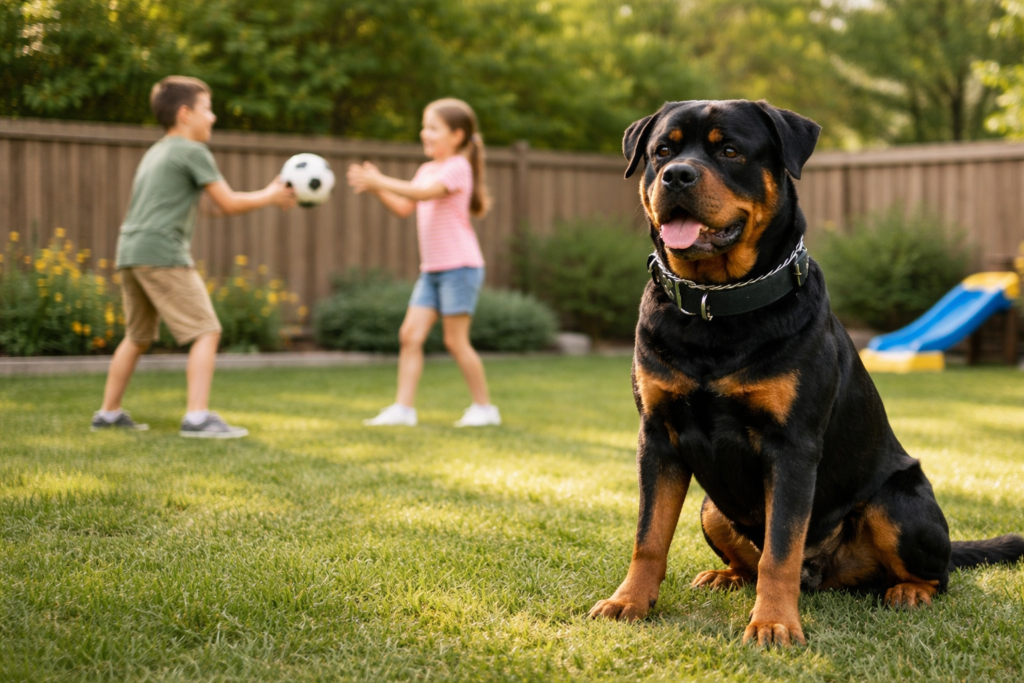
The training process for family dogs includes discrimination work. Your dog learns to welcome invited guests while remaining alert to uninvited visitors or suspicious behavior. This prevents your protection dog from treating every doorbell ring as a threat.
Family protection dogs provide:
- Home security during day and night hours
- Child supervision and gentle companionship
- Deterrence through visible presence
- Alert barking for unusual activity
- Controlled response to home invasions
Breeds selected for family work combine protective drive with stable temperaments. These dogs bond with entire households rather than single handlers, making them suitable for homes where multiple people need protection.
Want to learn more about selecting the right companion for your household? Check out our guide on the best family protection dogs to make an informed choice.
Property Guardian Dogs
Property guardians focus on territorial security rather than personal protection. These dogs patrol boundaries, alert to trespassers, and deter unwanted visitors through their presence and bark.
Training emphasizes perimeter awareness and bark alerts. Your property guardian learns to patrol designated areas, recognize boundary lines, and sound alarms when detecting unusual activity or unauthorized entry.
Best applications for property guardians:
- Large yards or acreage requiring surveillance
- Businesses with outdoor storage or equipment
- Rural properties with livestock or crops
- Properties in isolated or low-traffic areas
These dogs typically work semi-independently within fenced areas. They don’t require constant handler supervision but respond to commands when owners are present.
Estate Protection Dogs
Estate protection combines elements from all other types. These highly trained dogs provide comprehensive security across large properties while protecting multiple family members and staff.
Training for estate work includes advanced patrol patterns, multiple handler recognition, and zone-specific behavior. Your estate dog knows which areas to patrol, recognizes authorized personnel, and adjusts behavior based on location.
Estate protection capabilities:
- Multi-acre property coverage and surveillance
- Recognition of family, staff, and regular visitors
- Coordination with other security dogs if needed
- Both alert and engagement responses
- Day and night operational readiness
Estate dogs represent the highest training investment but provide unmatched versatility. These dogs work independently when needed but integrate seamlessly into family life during off-duty hours.
Top Protective Dog Breeds and Their Strengths
Different breeds bring specific advantages to protection work. Understanding breed characteristics helps you match the right dog to your security needs and lifestyle requirements.
| Breed | Size | Temperament | Best Protection Role | Exercise Needs | Training Difficulty |
| German Shepherd | 65-90 lbs | Loyal, intelligent, versatile | Personal, family, estate | High | Moderate |
| Belgian Malinois | 55-75 lbs | High-drive, intense, athletic | Personal, law enforcement | Very High | Advanced |
| Doberman Pinscher | 65-90 lbs | Alert, loyal, elegant | Family, property | High | Moderate |
| Rottweiler | 85-130 lbs | Confident, calm, powerful | Family, property guardian | Moderate-High | Moderate |
| Cane Corso | 90-120 lbs | Protective, stable, imposing | Estate, property | Moderate | Moderate-Advanced |
| Giant Schnauzer | 65-90 lbs | Intelligent, territorial, energetic | Family, estate | High | Advanced |
German Shepherd
German Shepherds dominate protection work due to their intelligence, trainability, and balanced temperament. These dogs excel in virtually every protection role from personal security to estate patrol.
Why German Shepherds excel at protection:
- Exceptional trainability and problem-solving ability
- Strong protective instinct without excessive aggression
- Versatility across all protection applications
- Athletic build suitable for both speed and power
- Natural loyalty and handler bonding
German Shepherds adapt to different living situations while maintaining high performance standards. They transition smoothly between active protection work and calm household behavior.
Belgian Malinois
Belgian Malinois bring unmatched drive and intensity to protection work. These dogs possess explosive athleticism and laser-focused concentration that make them favorites for high-level security applications.
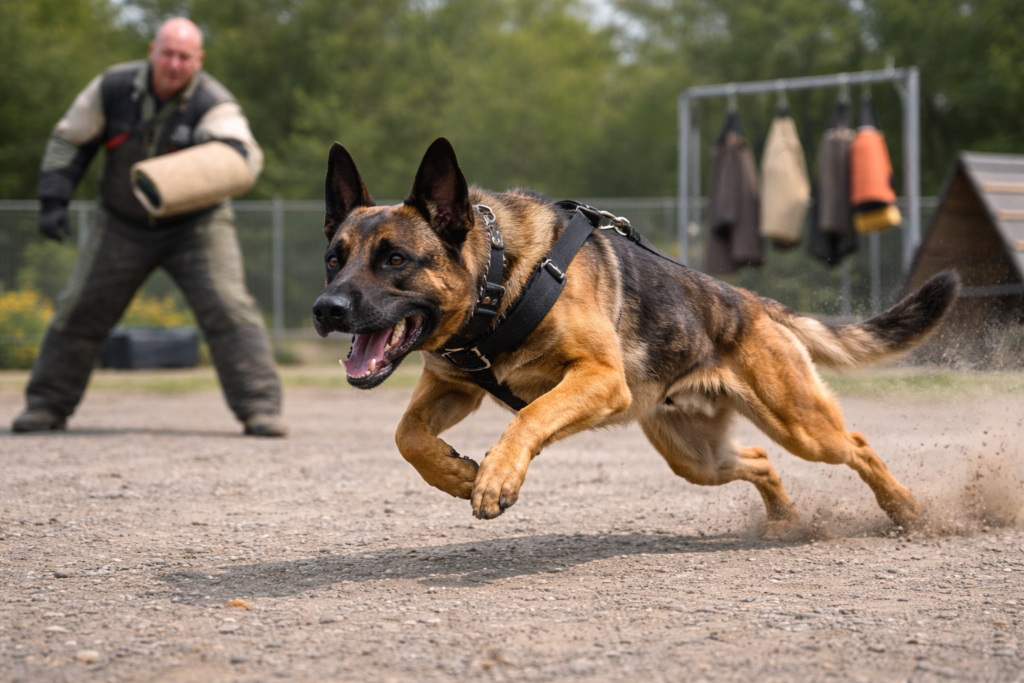
Malinois advantages:
- Superior athleticism and speed
- Intense focus and work drive
- Quick learning and response times
- Compact size with powerful bite force
- Minimal grooming requirements
The breed demands experienced handling and extensive exercise. Malinois aren’t ideal first protection dogs but reward committed owners with elite-level performance.
Doberman Pinscher
Dobermans combine elegance with functionality, offering excellent home protection with a sleek, athletic build. These dogs show fierce loyalty to their families while maintaining dignified composure.
Doberman strengths:
- Natural alertness to environmental changes
- Elegant appearance with intimidating presence
- Excellent home guardians with family-friendly temperament
- Less demanding coat care than long-haired breeds
- Responsive to training with proper motivation
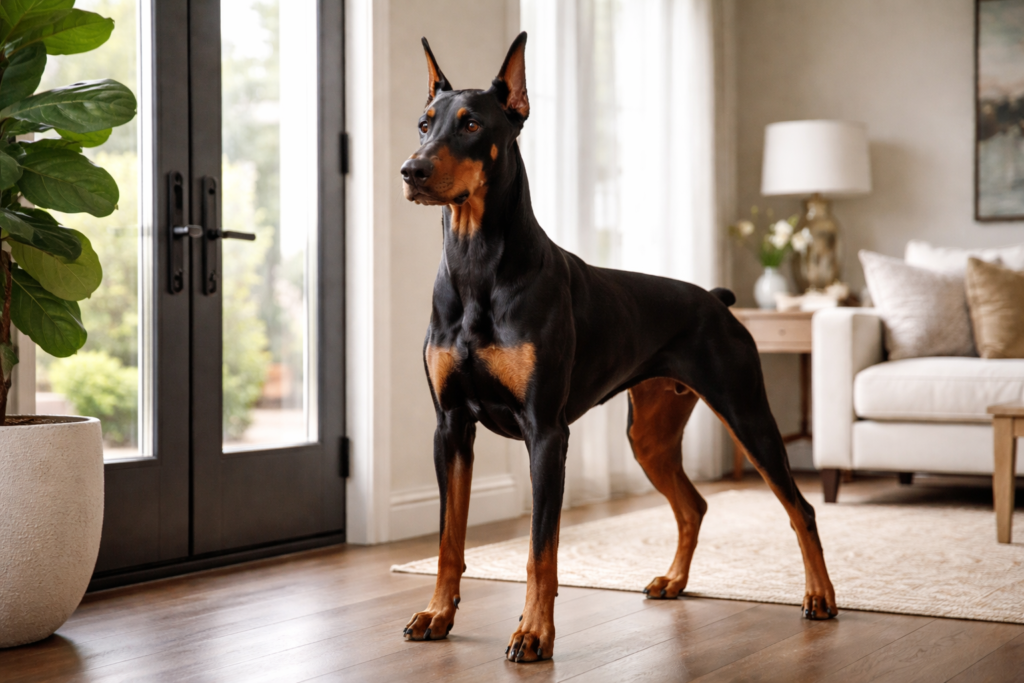
Dobermans excel at property protection and family security. Their lean build requires less food than heavier breeds while delivering comparable protection capability.
Rottweiler
Rottweilers provide powerful deterrence through sheer physical presence combined with confident, calm temperaments. These dogs don’t rush into action but respond decisively when situations demand intervention.
Rottweiler characteristics:
- Massive build creates strong visual deterrent
- Calm confidence rather than hyperactive alertness
- Excellent with family children when properly socialized
- Natural guarding instinct for property and people
- Lower energy needs compared to shepherd breeds
The breed suits owners wanting powerful protection without constant high-energy demands. Rottweilers thrive in family environments where their protective nature serves daily household security.
Cane Corso
Cane Corsos descend from Roman war dogs, bringing ancient guardian instincts to modern protection work. These Italian mastiffs combine size, strength, and surprisingly agile movement.
Cane Corso advantages:
- Imposing size deters most threats before engagement
- Natural territorial instinct for property boundaries
- Stable temperament with proper breeding and training
- Athletic despite large size
- Excellent for estate and property protection
The breed requires experienced handling and early socialization. Properly raised Cane Corsos become gentle family members while maintaining formidable protective capabilities.
Giant Schnauzer
Giant Schnauzers offer intelligence and trainability in a powerful, imposing package. These dogs possess strong territorial instincts combined with excellent discrimination between threats and normal activity.
Giant Schnauzer traits:
- High intelligence makes training enjoyable
- Strong territorial awareness without excessive aggression
- Hypoallergenic coat benefits allergy sufferers
- Versatile across multiple protection roles
- Loyal bonding with entire family unit
The breed needs mental stimulation alongside physical exercise. Giant Schnauzers thrive when given jobs to perform and challenges to solve.
Choosing the Right Type of Protective Dog for Your Needs
Selecting the appropriate protection dog type requires honest assessment of your situation, lifestyle, and security requirements. The wrong match creates problems for both you and the dog, while the right choice provides years of reliable service.
Consider Your Living Situation
Your property size and layout determine which types of protective dogs work best. A suburban home with a quarter-acre yard has different needs than a rural property spanning multiple acres.
Urban and suburban properties: Personal and family protection dogs excel in these settings. These dogs work primarily indoors or in smaller yards, providing security through close-range awareness and controlled responses.
Rural and estate properties: Property guardians and estate protection dogs suit larger areas. These dogs need space to patrol and exercise their territorial instincts without disturbing neighbors.
Apartment dwellers should focus on personal protection dogs trained for close-quarters living. These dogs adapt to limited space while maintaining protection capabilities through obedience and threat assessment skills.
Activity Level and Exercise Requirements
Protection dogs are working athletes that need regular physical and mental exercise. Underestimating these requirements leads to behavioral problems that undermine protection training.
High-energy breeds (Belgian Malinois, German Shepherd, Giant Schnauzer): Plan for 2+ hours of daily exercise including structured activities like running, training sessions, or agility work.
Moderate-energy breeds (Doberman, Rottweiler, Cane Corso): Require 1-2 hours of daily activity with mix of walks, play, and training exercises.
Match the dog’s energy level to your available time and activity preferences. A couch-oriented owner and a high-drive Malinois create mutual frustration.
Family Composition
Household dynamics influence which protection dog types integrate successfully. Consider who lives in your home and their experience with dogs.
Families with young children: Family protection dogs with proven child-safe temperaments and extensive socialization work best. These dogs tolerate kid noise, movement, and occasional rough handling while maintaining protective instincts.
Single individuals or couples: Personal protection dogs bond closely with primary handlers and work well in smaller household units.
Multi-generational homes: Estate-style protection dogs that recognize multiple family members and adjust behavior accordingly suit complex household structures.
If you’re trying to determine the best fit for your household, explore how to find the best protection dog that matches your specific needs.
Training Requirements for Different Protection Types
Each type of protective dog requires specific training approaches and time investments. Understanding these requirements helps you commit to the necessary development process.
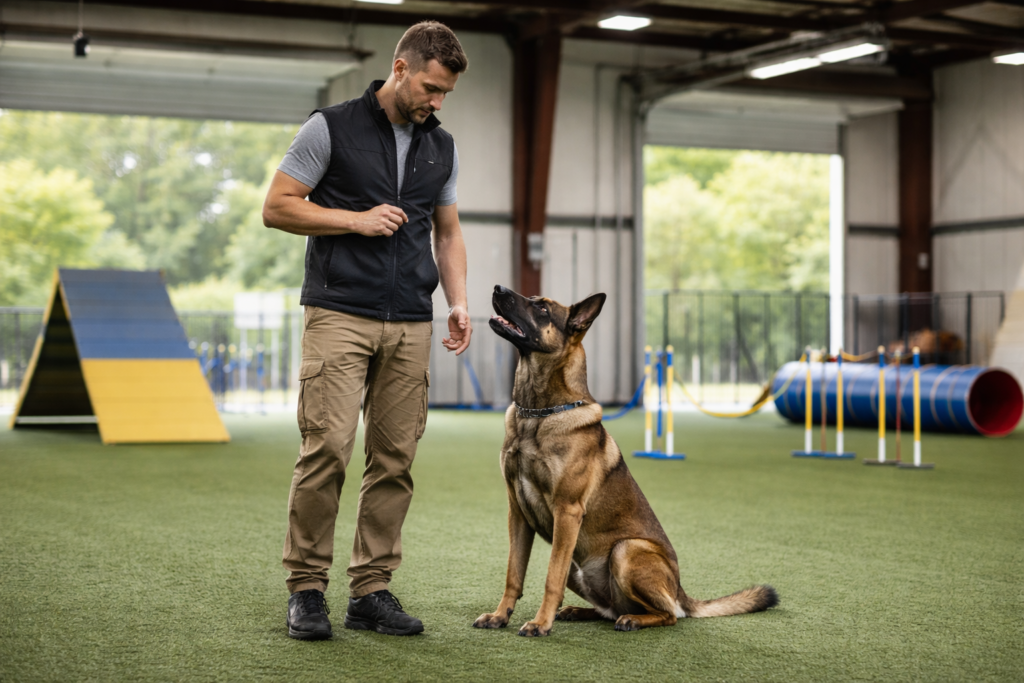
Personal protection dogs need 4-6 months of intensive training covering obedience, protection work, and public access behavior. Training continues throughout the dog’s working life with regular maintenance sessions.
Family protection dogs require similar timeframes but emphasize discrimination training and household integration. These dogs learn to differentiate between normal family activities and genuine threats.
Property guardians focus on territorial behavior and alert systems. Training typically takes 3-4 months for basic patrol work, with ongoing reinforcement for boundary awareness.
Estate protection dogs represent the longest training investment at 6-12 months. These dogs master complex behaviors including multiple handler work, zone-specific responses, and advanced patrol patterns.
All protection training should come from certified professionals experienced in your chosen protection type. Poor training creates dangerous dogs rather than effective guardians. Our protection dog selection process ensures each dog receives appropriate training for its intended role.
Beyond initial training, protection dogs need ongoing work to maintain skills. Plan for weekly training sessions and daily reinforcement of obedience commands throughout the dog’s working life.
Finding Your Perfect Canine Guardian: Types of Protective Dogs That Deliver
Choosing among the different types of protective dogs comes down to matching canine capabilities with your specific security needs and lifestyle reality. Personal protection dogs offer mobile security for active individuals, while family protection dogs balance guardian instincts with household harmony. Property guardians secure perimeters, and estate dogs provide comprehensive coverage for larger properties.
The most important factor isn’t finding the “best” breed or type, but identifying which protection dog aligns with your daily routine, living situation, and long-term commitment. A high-drive Malinois might be perfect for an experienced handler with acreage but completely wrong for a first-time owner in a suburban home. Consider your exercise capacity, training dedication, and honest assessment of why you need protection before making your decision.
Want to dive deeper into breed-specific traits? Learn more about whether female dogs are more protective to help refine your selection criteria.
K9 Mania Protection Dogs is a trusted protection dog training company specializing in top-tier personal and family protection dogs in Long Island. We are committed to delivering reliable, well-trained protection dogs with a focus on safety, performance, and peace of mind. Whether you need a personal guardian or comprehensive estate security, our expert trainers match you with the right protection solution for your specific needs. Explore our custom protection dogs and experience the difference professional training makes.
Explore Related Articles
Belgian Malinois vs German Shepherd
Protection Dog for Elderly: The Complete Safety and Companionship Guide
Frequently Asked Questions on Types of Protective Dogs
What dog breed is most protective?
German Shepherds are consistently rated as the most protective breed due to their intelligence, trainability, and balanced temperament. They excel across all protection roles from personal security to estate work. Belgian Malinois and Rottweilers also rank highly for protective capabilities, though each breed brings different strengths to security work.
Which dog is perfect for protection?
No single dog is perfect for every protection situation. The ideal protection dog matches your specific needs, living situation, and experience level. German Shepherds offer the best versatility for most owners, while Belgian Malinois suit experienced handlers wanting elite performance. Family situations often benefit from Rottweilers or Dobermans for their stable temperaments.
What are the top 5 protective dogs?
The top five protective dog breeds are German Shepherd, Belgian Malinois, Rottweiler, Doberman Pinscher, and Cane Corso. Each breed excels in different protection roles. German Shepherds provide all-around versatility, Malinois offer maximum drive, Rottweilers deliver powerful deterrence, Dobermans combine elegance with function, and Cane Corsos excel at property protection.
What dog breed is protective but not aggressive?
Rottweilers demonstrate strong protective instincts without unnecessary aggression when properly bred and trained. These dogs remain calm and confident, only acting when genuine threats appear. German Shepherds also show excellent discrimination, protecting their families without aggressive behavior toward normal social interactions. Proper socialization and training are essential for any protective breed.
What dog is best for home defense?
Doberman Pinschers excel at home defense through their natural alertness, loyalty to family, and intimidating presence. Rottweilers also perform exceptionally well in home protection roles due to their calm confidence and powerful deterrent effect. Both breeds integrate well into family life while maintaining high protection standards for residential properties.
What is the #1 guard dog in the world?
The German Shepherd holds the title as the world’s number one guard dog due to its widespread use in military, police, and personal protection work globally. This breed’s combination of intelligence, trainability, physical capability, and stable temperament makes it the gold standard for professional protection applications across all environments and security roles.